Soft Washing vs Pressure Washing for Roof Moss Removal
Two vans pull up to two similar houses on the same street. At one, the operator points a high-pressure lance at the roof and the moss visibly flies off in seconds. At the other, the team sets up scaffold towers and works patiently across the tiles with far gentler equipment. The first looks more satisfying to watch. The second is usually the one that leaves the roof in better shape five years later.
Choosing between soft washing and pressure washing is one of the most important decisions in roof moss removal, and it is not simply about speed. This guide explains what each method actually does, why the difference matters so much for tiled roofs, and how to judge which is right for yours.
What the Two Methods Actually Are
The terms are used loosely, so it helps to define them clearly.
Pressure washing uses a high-pressure jet of water to physically blast moss, algae, and debris off the roof surface. The force does the work, tearing growth away quickly. It is the same broad technique used on driveways and patios, applied to a roof.
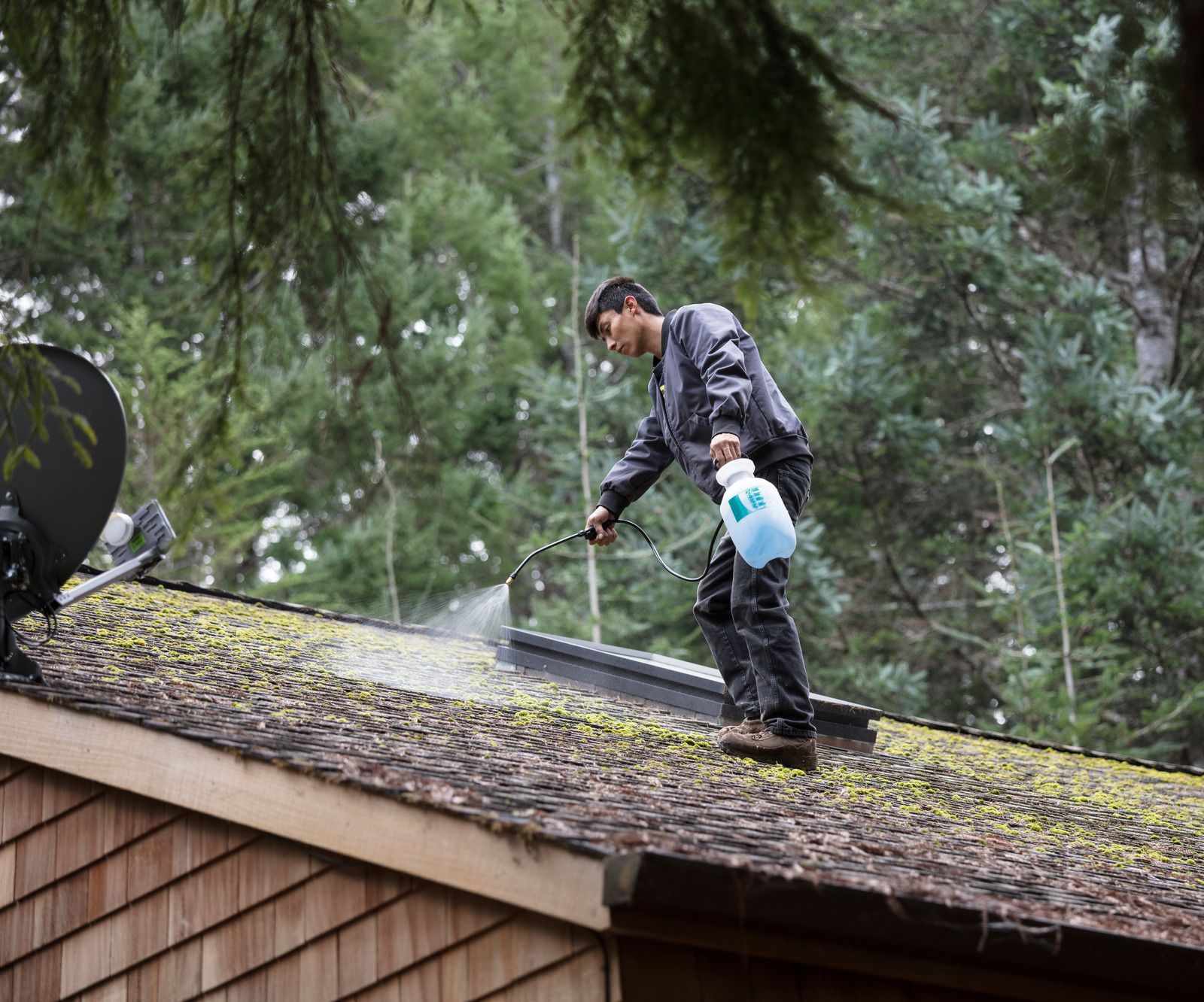
Soft washing is the opposite approach. Rather than relying on force, it uses low pressure or a no-contact method combined with gentle, water-based cleaning to lift growth without hammering the tiles. On many professional jobs this means working from mobile scaffold towers or at ground level with specialist equipment, keeping high-pressure water off the tile surface entirely and, where appropriate, applying a treatment that continues to work after the visible growth is removed.
The headline difference is force. Pressure washing removes moss with force; soft washing removes it while protecting the surface.
Why High Pressure Damages Tiled Roofs
The speed of pressure washing comes at a cost that is easy to miss on the day and expensive later.
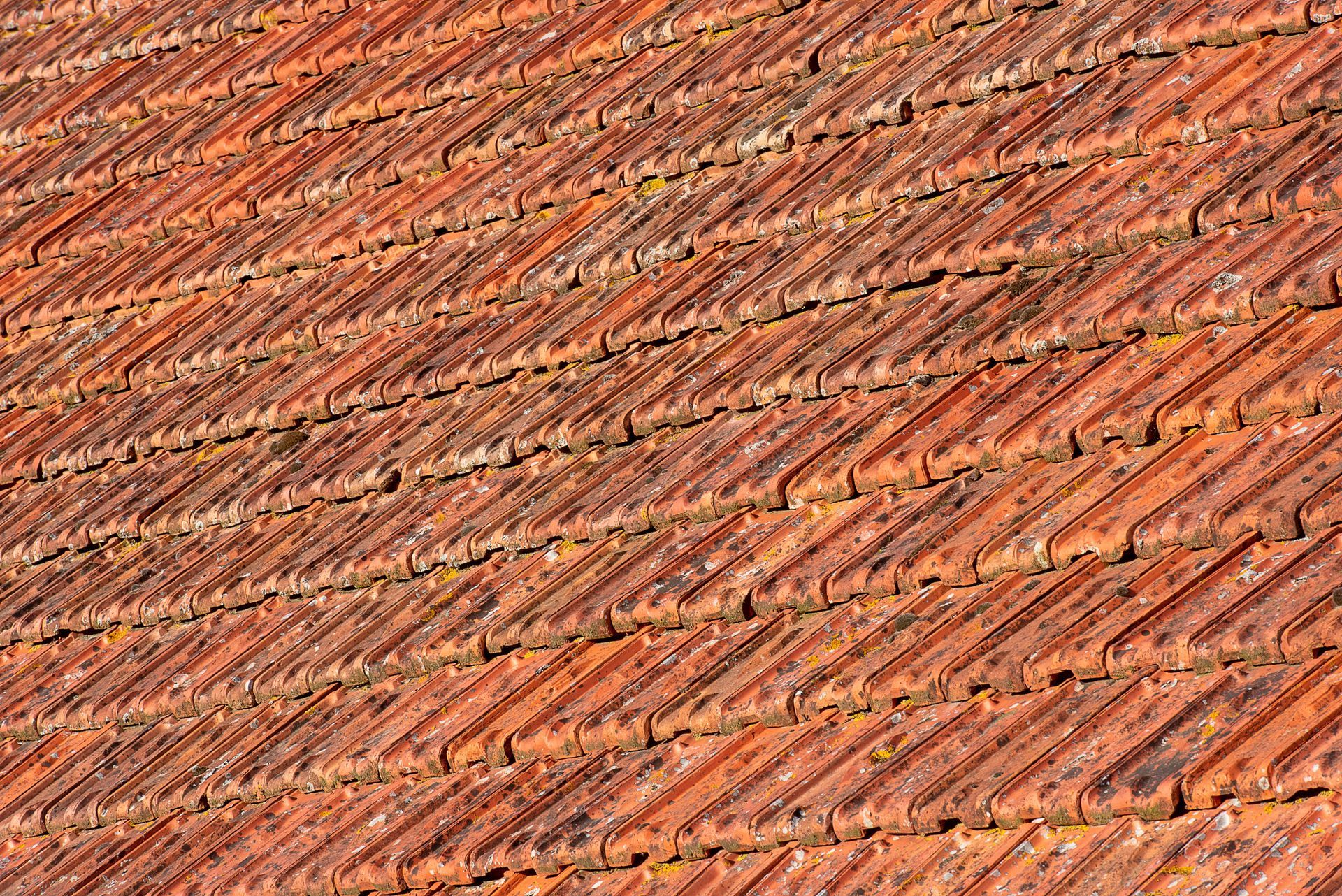
It strips the protective surface. Concrete tiles have a surface coating that helps them shed water. High-pressure water can erode that coating, leaving the tile more porous, which makes it hold more water and, ironically, grow moss back faster.
It forces water under the tiles. Directed up the slope or at the wrong angle, a pressure jet can drive water beneath the laps and past the underlay, toward the battens and timber. What looked like a clean can create a damp problem inside the roof.
It dislodges mortar and tiles. The bedding mortar on ridges, hips, and verges can be broken up by high pressure, loosening tiles and opening routes for water. Already-weakened tiles can crack under the force.
It spreads spores without preventing regrowth. Blasting moss off removes what is visible but does nothing to slow what comes next, so a pressure-washed roof often greens up again quickly, especially with its coating stripped.
Warning: Pressure washing a roof is also one of the more dangerous ways to clean it, because it usually means someone working at height on wet, slippery tiles while handling a powerful lance. A no-contact soft-wash approach that works from towers or the ground removes both the risk to the tiles and much of the risk to the person.
Why Soft Washing Suits Most Roofs
Soft washing works with the roof rather than against it. By lifting growth gently and keeping high pressure off the tiles, it removes moss without eroding the surface, forcing water inside, or disturbing the mortar. Because the tile coating stays intact, the roof also resists regrowth better than a stripped, pressure-washed one.
The approach becomes even more effective when paired with a preventative treatment. After the moss is removed, a non-toxic biocide can be applied that continues to work on the surface for months, slowing the return of moss, algae, and lichen. This is where soft washing pulls clearly ahead: it not only avoids damage but leaves the roof better protected for the future. A gentle
Roof Cleaning done this way lasts longer than a quick blast.
When Might Higher Pressure Be Considered?
There are surfaces where higher pressure has a place, though a full roof is rarely one of them. Hard, durable ground surfaces like some driveways and patios can tolerate pressure washing because they are built to take foot and vehicle traffic and are not layered like a roof. The problem with roofs specifically is the combination of a delicate surface coating, overlapping tiles that water can be forced beneath, and mortar bedding that pressure can break up.
For the tiles on a pitched roof, the weight of professional practice favours the gentler method precisely because the risks of high pressure are so particular to how a roof is built. The right question is usually not how much pressure to use on a roof, but how to remove the moss with as little as possible.
Making the Right Choice for Your Roof
The sensible starting point is an inspection and a patch test, which reveal the tile type and condition and confirm the safest method before any cleaning begins. From there, a no-contact soft-wash approach handles the great majority of tiled roofs, removing moss while protecting the surface and, with biocide aftercare, keeping the roof clearer for longer.
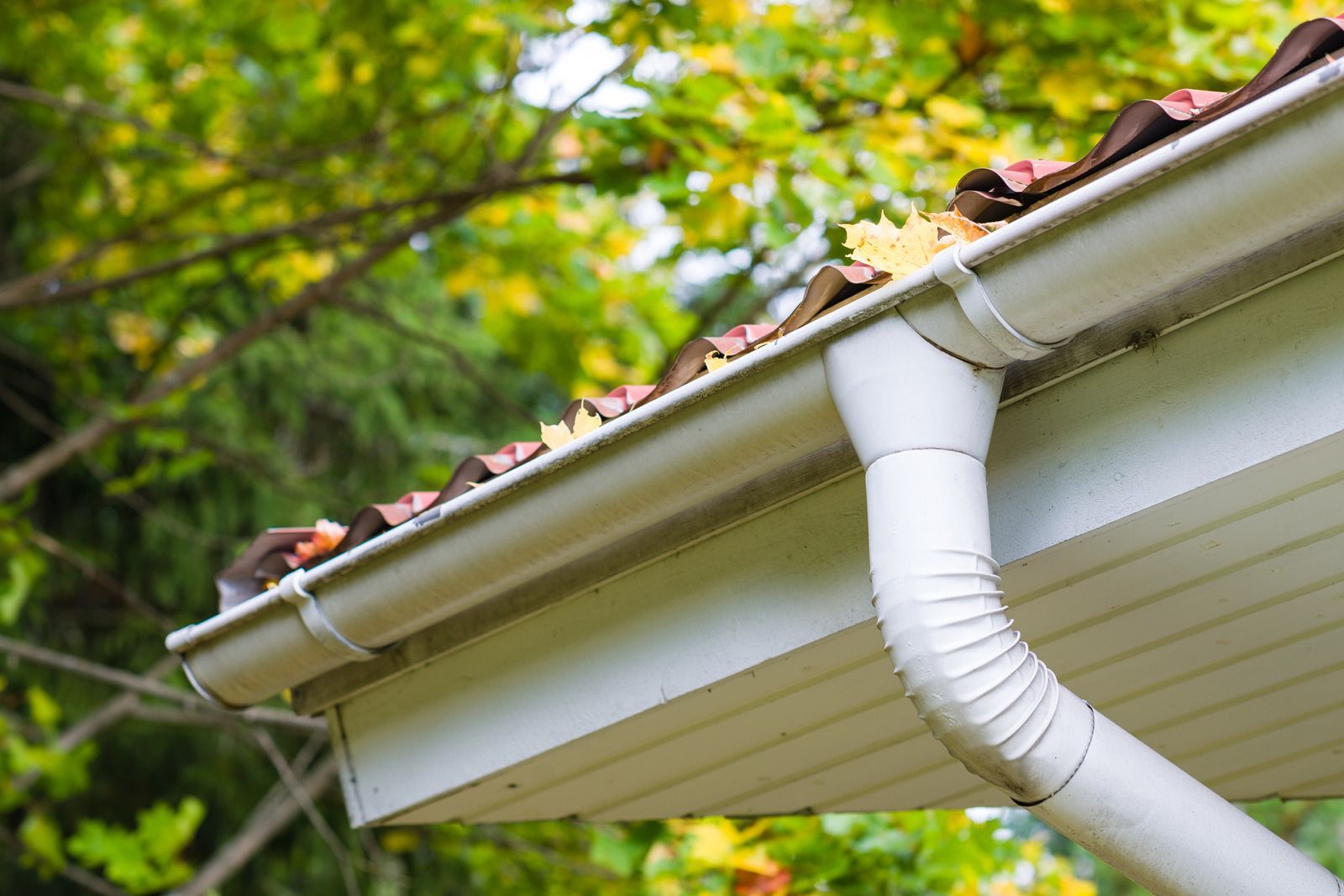
Keeping the roofline clear matters too, because debris feeds regrowth. Pairing a roof clean with Gutter Cleaning removes the organic matter that helps moss re-establish. In our 15 years on Sussex roofs, the jobs that stay clean longest are almost always the gently cleaned and treated ones, not the blasted ones.
Soft washing removes roof moss using low-pressure or no-contact methods and gentle, water-based treatment, protecting the tile surface. Pressure washing uses high-pressure water to blast growth off, which is faster but can strip tile coatings, force water under the laps, and dislodge ridge mortar. For most tiled roofs, a soft, no-contact approach is the safer choice because it removes moss without the collateral damage high pressure often causes.
Frequently Asked Questions
Is soft washing as effective as pressure washing at removing moss?
Yes, and often more so over time. Soft washing removes the moss thoroughly without the force of a pressure jet, and because it does not strip the tile coating, the roof resists regrowth better afterwards. Pressure washing can look more dramatic on the day, but the results frequently do not last as long once the protective surface has been eroded.
Will soft washing get my roof as clean as a pressure wash?
A proper soft-wash clean restores the roof's appearance without the surface damage, and when a biocide is applied afterwards the tiles continue to lighten and stay clearer over the following months as the treatment works. The finish is thorough; it simply achieves it by lifting growth gently rather than blasting it, which is far kinder to the tiles.
Can pressure washing ever be safe on a roof?
On a full tiled roof it carries real risks to the surface coating, the mortar, and the interior, and it is difficult to do without those risks. Some operators use lower pressures carefully, but the safest general approach for tiled roofs keeps high-pressure water off the tiles altogether. If in doubt, ask how a company protects the tile surface and mortar during cleaning.
Does soft washing use harsh chemicals?
A responsible soft-wash approach uses water-based cleaning and, where a preventative is wanted, a non-toxic biocide chosen to be safe around landscaping and property. It does not depend on aggressive chemicals. Always ask what is being applied and whether it is safe for surrounding plants, pets, and drainage before work begins.
How long does a soft-washed roof stay clean?
It varies with shade, tree cover, and tile type, but a soft-washed roof with biocide aftercare typically stays clear considerably longer than a pressure-washed one, often several years before another clean is due. Keeping gutters clear and cutting back overhanging branches extends that interval further by helping the roof dry faster between spells of rain.
Choose the safe method for your roof — Book a no-contact soft-wash clean that removes moss without pressure-washing damage. Ben's Roof Cleaning includes a free inspection, patch test, and optional biocide. Call 0124 520 4907.
Gentle Wins on a Roof
Soft washing versus pressure washing is really a choice between removing moss carefully and removing it forcefully. Pressure washing is quick and looks impressive, but on a tiled roof that force tends to strip coatings, drive water where it should not go, and loosen mortar, often leaving the roof to green up again sooner. Soft washing, especially a no-contact approach backed by biocide, removes the moss while protecting the surface and slowing its return. On a roof, where the tiles are delicate and the stakes of getting water inside are high, the gentler method is almost always the wiser one.