Handmade Clay and Peg Tiles: Cleaning Traditional Colchester Roofs
Look closely at the older roofs of Colchester and the surrounding Essex countryside and you will see a distinctive kind of tile: small, handmade clay peg tiles, hung in overlapping rows, each with the soft colour variation and gentle irregularity that only a handmade material has. These traditional tiles are a defining feature of East Anglian buildings, and they give Colchester's period homes much of their charm. They are also more delicate than modern tiles and need a particularly careful approach to cleaning. This detailed guide explains what makes handmade clay and peg tiles special, why they need gentle care, and how to keep them clear of moss without doing harm.
The quick answer: Handmade clay and peg tiles are traditional, characterful, and more fragile than modern roofing. They can become brittle and porous with age and are difficult to match if broken. High-pressure washing risks cracking them; gentle, low-pressure soft washing removes moss and lichen safely while preserving these irreplaceable tiles.
1. What Peg Tiles and Handmade Clay Are
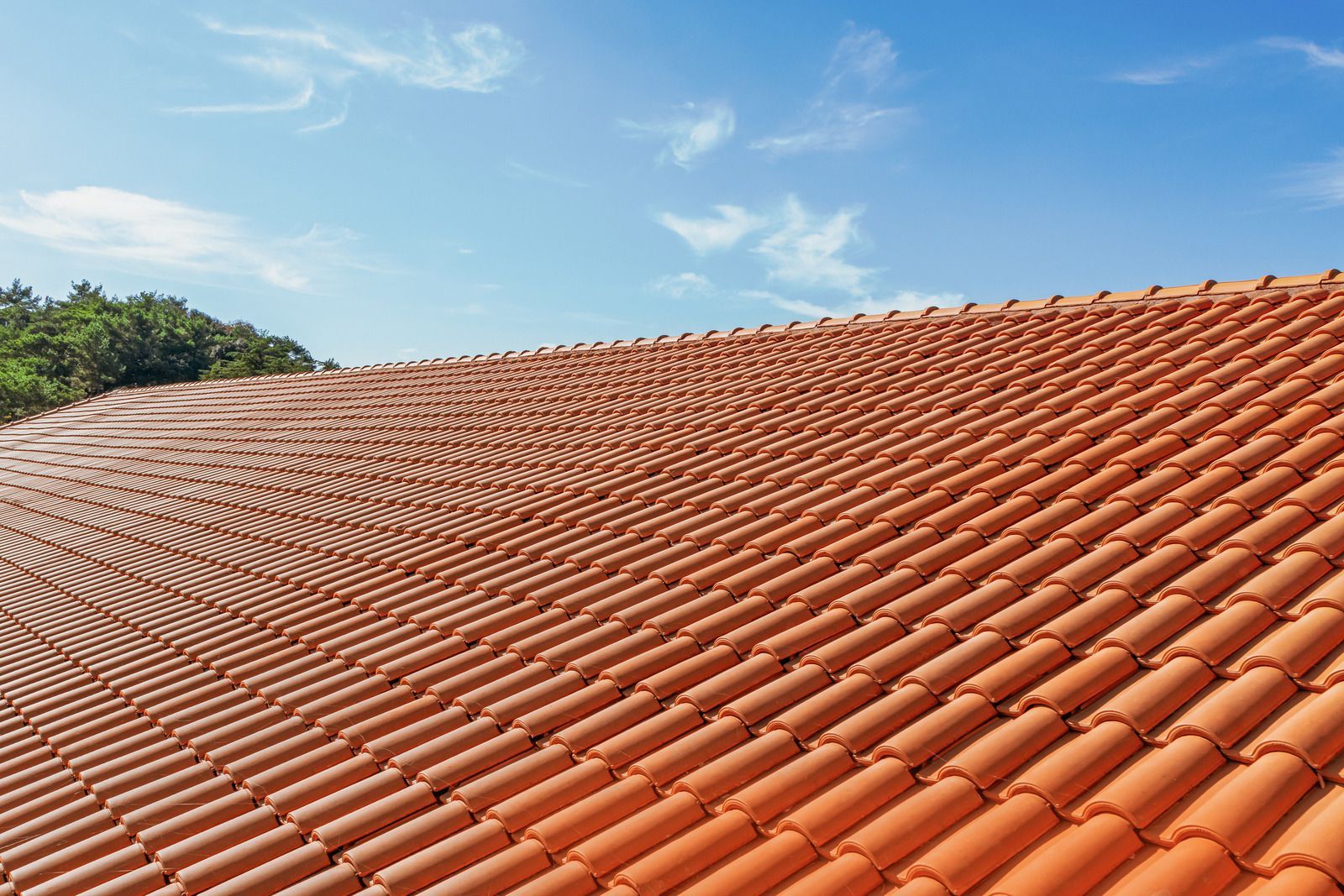
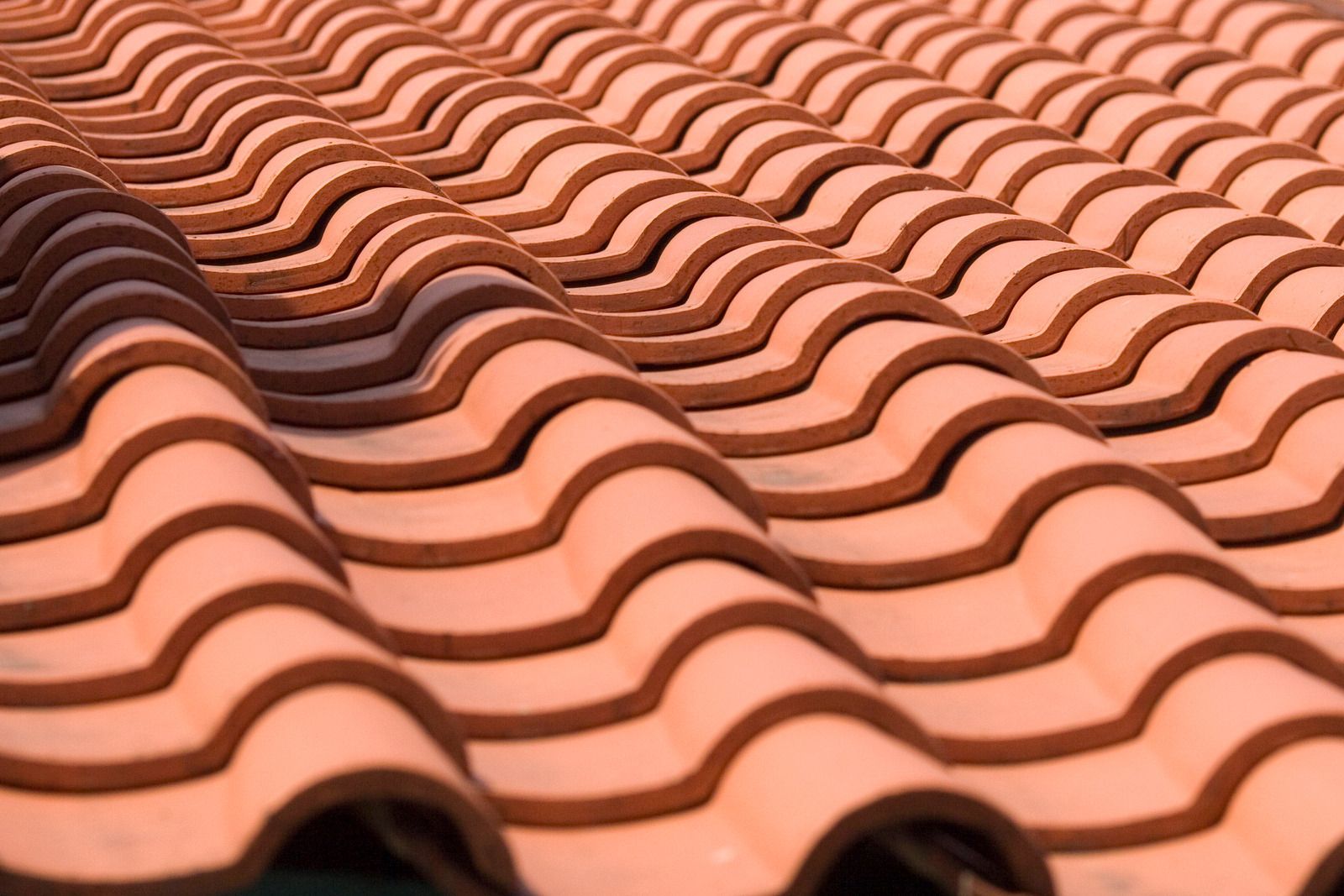
Peg tiles are small, flat clay tiles, traditionally hung on timber battens by means of oak pegs or pins, hence the name. For centuries they were the standard roofing of much of eastern England, and they remain a common sight on Colchester's older cottages, terraces, and period buildings. Handmade clay tiles, formed and fired individually rather than machine-pressed, share the same soft, varied appearance.
Part of their appeal is exactly that handmade quality: no two tiles are identical, and a roof of them has a warmth and texture that modern uniform tiles cannot match. That character is worth protecting, and it is one of the things that makes Colchester's traditional roofs so attractive.
2. Why They Are More Fragile
The very qualities that make handmade clay and peg tiles beautiful also make them delicate. Fired by traditional methods and laid down decades or centuries ago, they can grow brittle and porous with age. Individual tiles are small and thin, and the pegs, battens, and mortar holding them may be old and weakened too.
All of this means a traditional clay roof cannot take the rough treatment a modern concrete one might shrug off. A tile that has hung safely for a century can crack under careless handling or the force of high pressure, and once cracked it is not easily replaced.
3. The Trouble With Matching Them
When a handmade or peg tile does break, replacing it is far from simple. The soft colour variation, the exact size, and the character of old clay are difficult to match with modern tiles, and a patch of mismatched replacements stands out on an otherwise uniform old roof. Reclaimed tiles are sometimes available but can be costly and inconsistent.
This is why prevention matters so much on a traditional roof. Every tile kept intact is one that does not need to be matched and replaced, and gentle cleaning that removes moss without breaking tiles is the surest way to keep an old clay roof whole.
4. Why Gentle Cleaning Is Essential
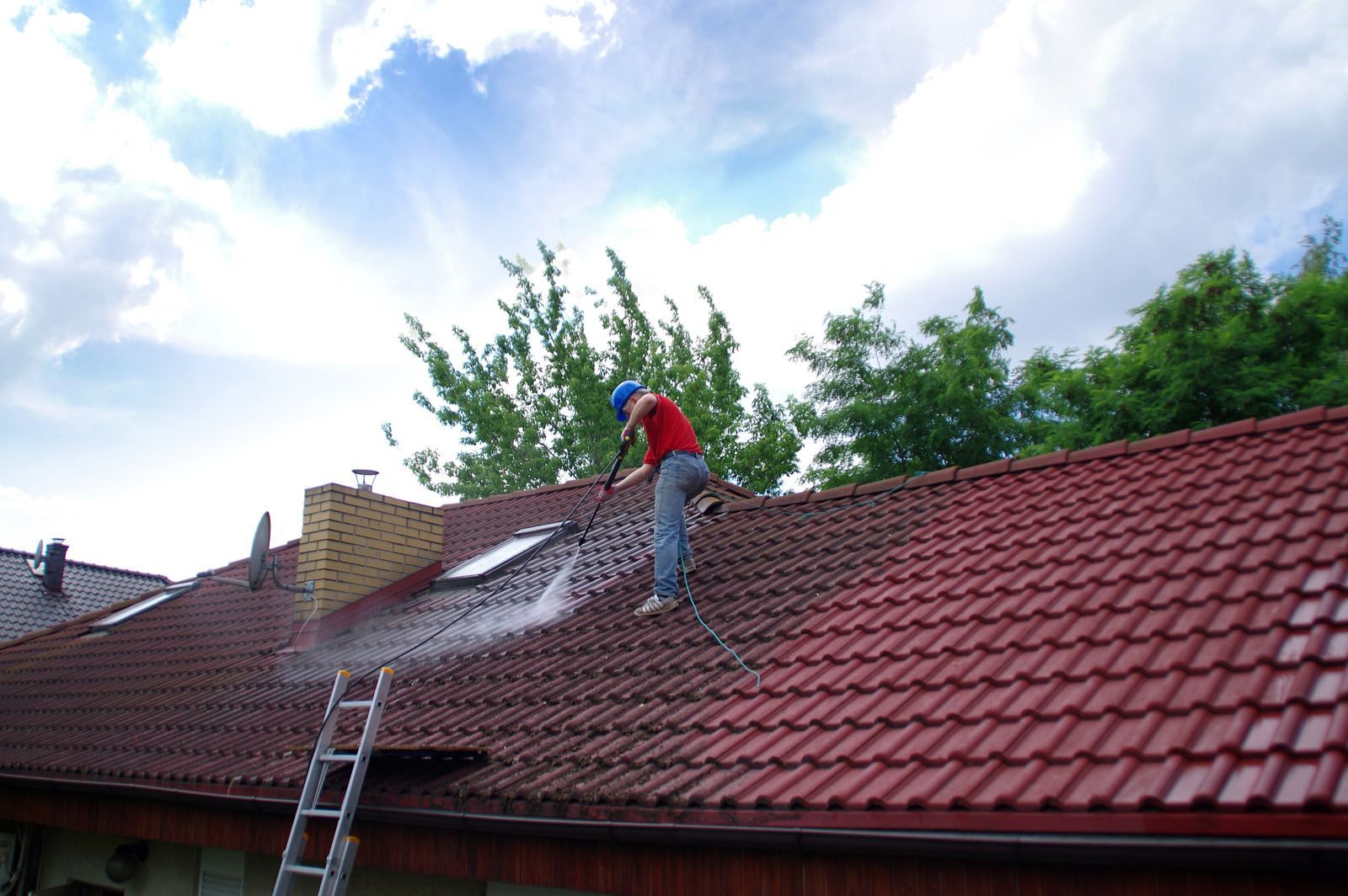
On handmade clay and peg tiles, high-pressure washing is a real hazard. The force can crack these thin, aged tiles, strip their surface, and dislodge them from their pegs and mortar, and it can drive water up beneath them into the roof. What looks like a quick clean can leave a traditional roof damaged and more vulnerable than before.
Gentle, low-pressure soft washing is the safe alternative. Its cleaning solutions break down moss, algae, and lichen at the source, and the growth is cleared away without stressing the tiles. It works with these fragile materials rather than against them, which is exactly what a traditional Colchester roof needs.
5. Caring for a Traditional Roof
Traditional clay roofs reward steady, gentle care. Regular soft washing keeps moss and lichen from building up to the point where they hold damp against the tiles or shed into the gutters, and it avoids the heavy intervention that would put fragile tiles at risk. A few signs are worth watching for on an old clay roof:
- Moss thickening on the shaded slope , where old textured tiles hold damp.
- Crusty lichen gripping the surface of the clay.
- A slipped or missing peg tile , which needs prompt, careful attention.
- Fragments of tile in the gutters or on the ground after wind.
- Failing mortar at ridges, common on ageing traditional roofs.
6. Keeping Colchester's Traditional Roofs Whole
The handmade clay and peg-tile roofs of Colchester and the Essex countryside are a link to the way buildings were made for centuries, and they are worth keeping intact. Gentle cleaning protects both their appearance and the tiles themselves, avoiding the damage and the difficult replacements that harsh methods bring.
Cared for this way, a traditional clay roof stays clear of moss, keeps its warm, characterful surface, and continues to shelter a building that may have stood for generations. It is a roof worth treating with the patience and respect its handmade tiles deserve.
Frequently Asked Questions
What are peg tiles?
Peg tiles are small, flat clay tiles traditionally hung on timber battens by oak pegs, common on older Colchester and East Anglian roofs. Along with handmade clay tiles, they give period buildings their characterful, textured appearance.
Why are handmade clay tiles fragile?
Fired by traditional methods and often laid decades or centuries ago, they can grow brittle and porous with age, and individual tiles are thin and small. This makes them more prone to cracking under rough handling or high pressure.
Can you pressure wash a peg-tile roof?
It is strongly discouraged. High pressure can crack these thin, aged tiles, dislodge them from their pegs, and force water underneath. Gentle, low-pressure soft washing removes growth without harming the tiles.
Are handmade tiles hard to replace?
Yes. The soft colour variation, size, and character of old clay are difficult to match, and replacements can stand out on a uniform old roof, which is why keeping the existing tiles intact matters so much.
How should a traditional clay roof be cleaned?
With gentle, low-pressure soft washing that lifts moss, algae, and lichen without stressing the tiles, carried out by someone who understands traditional roofs and treads carefully to protect the fragile materials.
Own a traditional clay or peg-tile roof in Colchester?
Ben's Roof Cleaning cleans handmade clay and peg-tile roofs gently and safely across Colchester and Essex, protecting the tiles while removing moss and lichen, with over 15 years of experience. Get in touch or call 0124 520 4907
for a free, no-obligation quote.
Handmade Roofs, Handled With Care
The handmade clay and peg tiles of Colchester's traditional roofs are part of what makes the area's older buildings so distinctive, with a warmth and character that modern tiles cannot replicate. But that beauty comes with fragility: aged, thin, and hard to match, these tiles demand gentle, patient cleaning rather than force. Soft washing removes moss and lichen while keeping every tile intact, protecting both the look and the fabric of a traditional roof. Treated with the care they deserve, Colchester's handmade roofs stay whole and beautiful for generations to come.