What Lichen and Algae on a Colchester Roof Really Mean
Moss gets most of the attention on a roof, but it is not the only thing growing up there. Look closely at a Colchester roof, especially an older one, and you will often see crusty pale or grey patches clinging hard to the tiles, and dark streaks running down them. These are lichen and algae, and they are not dirt. They are living growths that behave differently from moss and, on the traditional tiles common across Britain's oldest town, they matter in their own way. This detailed guide explains what lichen and algae really are, what they mean for a Colchester roof, and how to deal with them safely.
The quick answer: The crusty patches are lichen and the dark streaks are algae, both living growths rather than dirt. They will not wash off in the rain. Early on they are mainly cosmetic, but over time they hold moisture against the tiles and, with lichen in particular, grip hard into the surface. Gentle soft washing removes them without harming older tiles.
1. Lichen, Algae, and Moss Are Not the Same
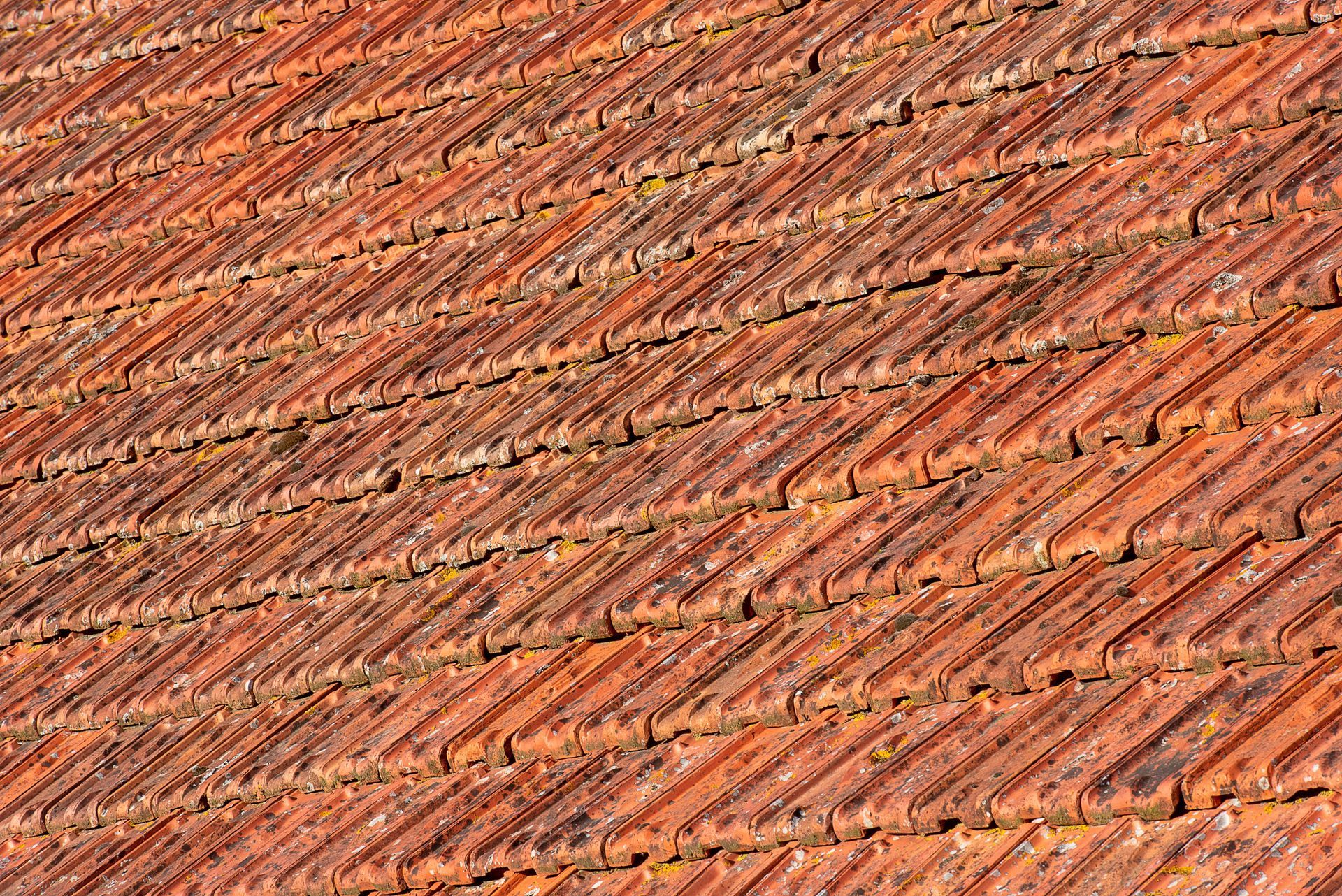
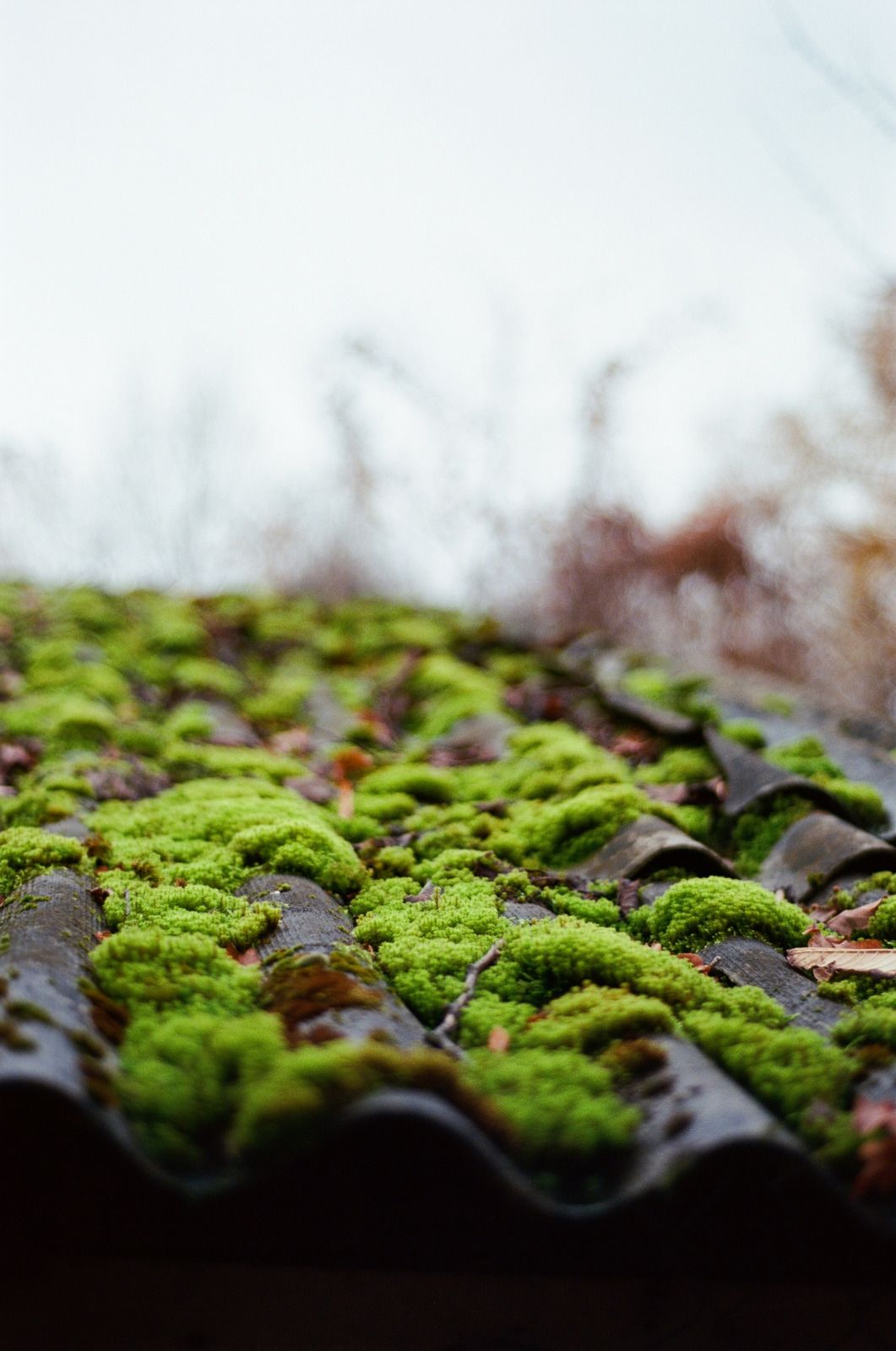
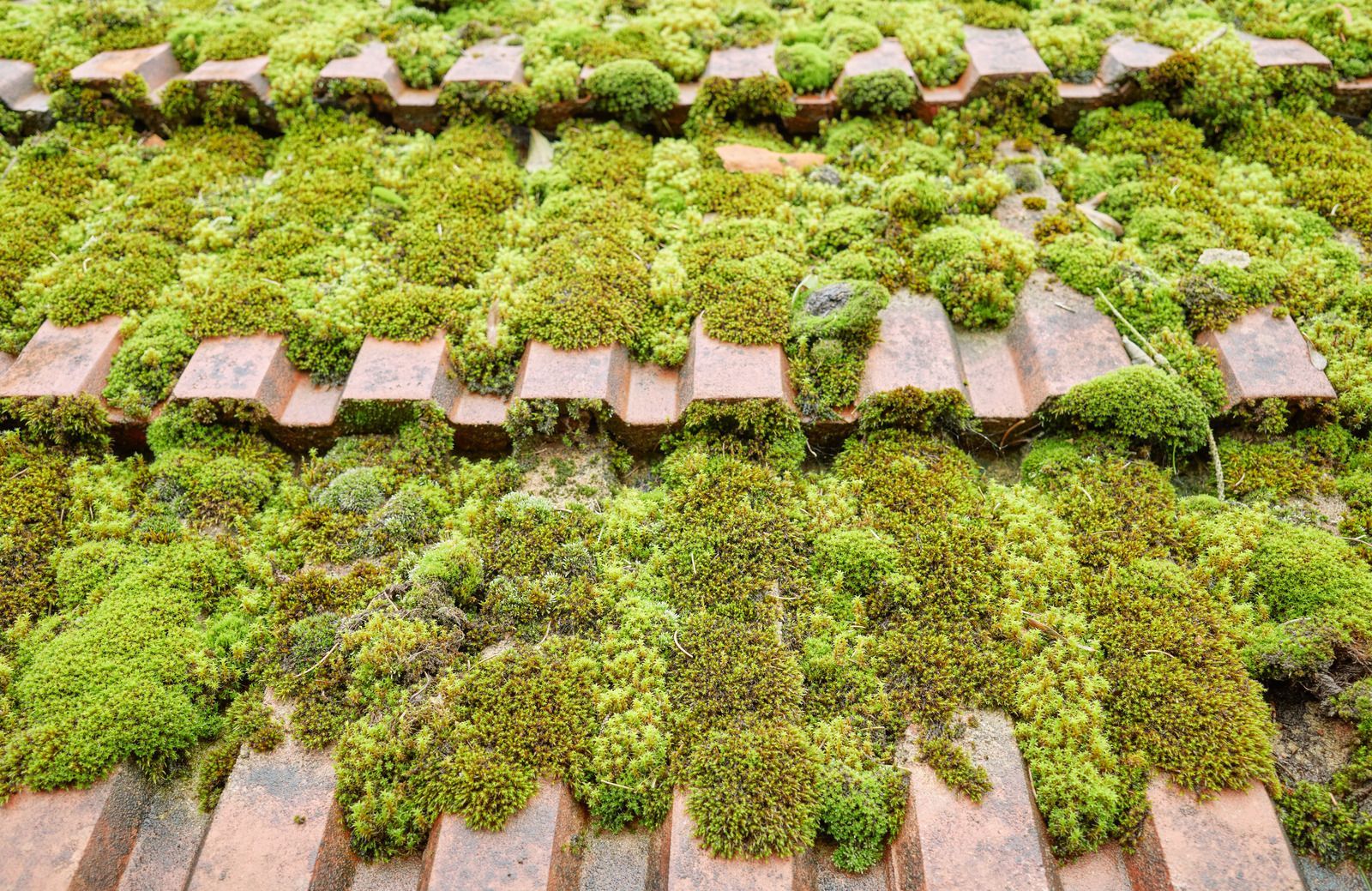
These three growths often appear together but are distinct. Algae shows as flat green or dark streaks, especially running down from where water flows over the tiles. Lichen is tougher, appearing as crusty, often pale or grey patches that cling hard to the surface. Moss is the thick, spongy, cushion-like growth most people picture. Each behaves a little differently, and a good clean tackles all three.
Understanding the difference matters because it explains why simple methods fail. Algae streaks are stubborn, lichen grips especially hard, and neither will rinse away in the rain the way loose dirt might. They need proper treatment to remove.
2. Why They Are Not Just Dirt
The key thing to understand is that lichen and algae are alive. They settle on the tiles, feed on moisture and airborne particles, and gradually spread across the surface. This is why the staining grows rather than washing away, and why a roof left alone becomes more discoloured year on year rather than staying the same.
Dirt is passive and rain will shift some of it. Lichen and algae keep growing, colonising more of the roof each season. Left long enough, a few streaks and patches become widespread discolouration across the whole roof.
3. Why Colchester's Older Tiles Attract Them
Colchester's wealth of period and traditional buildings means a great many older, textured roofs, and these are exactly the surfaces lichen and algae favour. Weathered handmade clay, aged slate, and old peg tiles have a rougher, more porous surface than smooth modern tile, giving these growths somewhere to grip and holding the moisture they need.
Shade plays its part too. The shaded slopes of Colchester's older streets, and roofs tucked among the buildings of the historic centre, stay damp longer and grow more lichen and algae than open, sunny roofs. It is a normal consequence of an old townscape rather than a sign of neglect.
4. Are They Actually Harmful?
In their early stages, algae and light lichen are mainly a cosmetic issue, making a roof look tired and neglected without doing serious structural harm. At this point they are more of an appearance problem than an urgent one.
Over time, though, they matter more. Like moss, lichen and algae hold moisture against the tiles, and lichen in particular grips hard into the surface and can be stubborn to remove once well established. On older, more porous tiles they contribute to the damp conditions that shorten a roof's life, so they are best not left indefinitely.
5. How to Deal With Them Properly
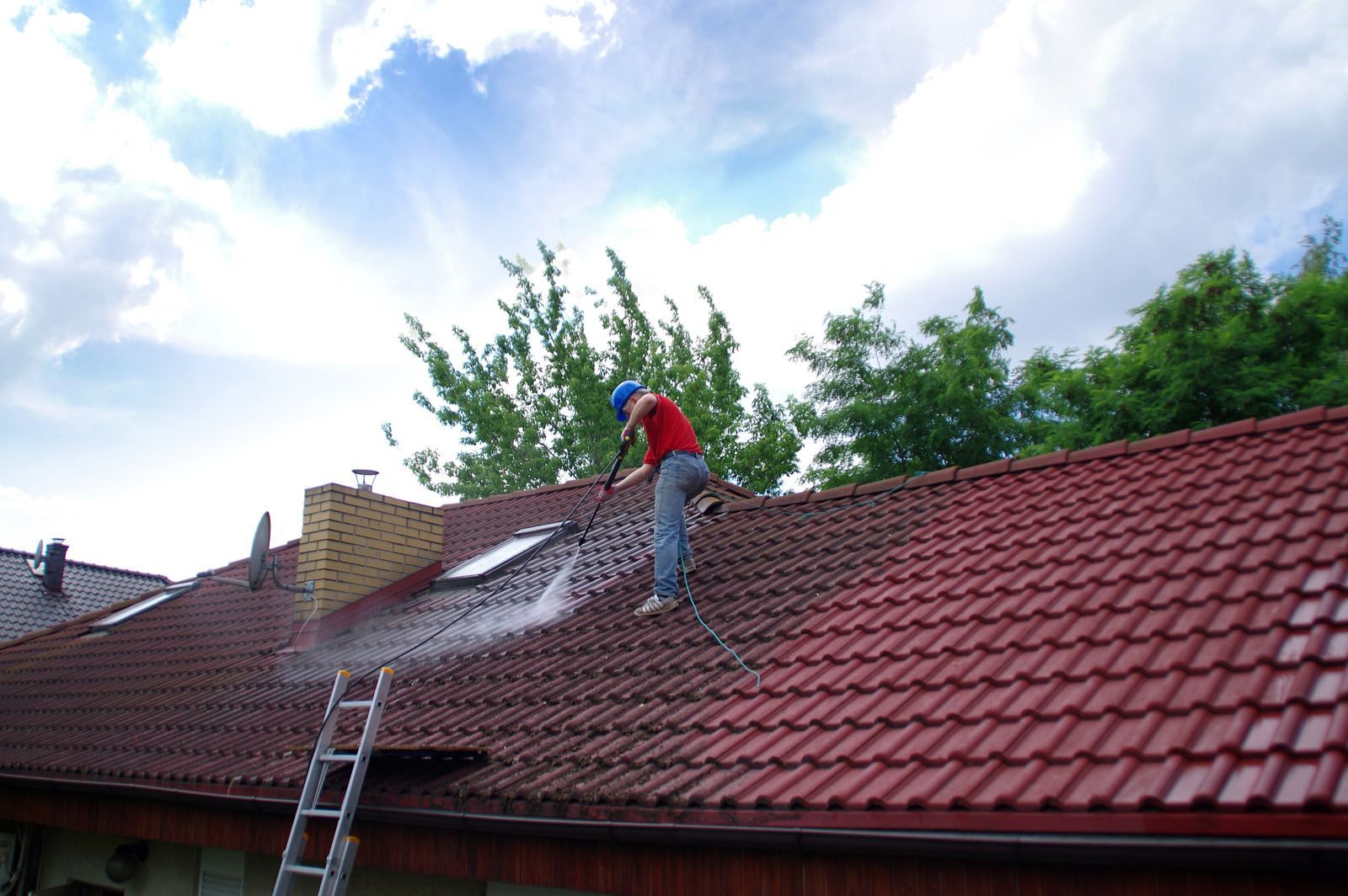
Because lichen and algae are living growths rather than loose dirt, they need proper cleaning, not a hopeful blast of water. Soft washing with appropriate cleaning solutions removes them at the source, and on the older, fragile tiles common in Colchester this gentle method is essential, since high pressure would risk cracking the very tiles you are trying to clean.
Trying to scrub or pressure blast lichen away tends to disappoint, either failing to shift its stubborn grip or damaging the tile surface. A gentle, thorough professional soft wash is what actually clears the growth and restores the roof without harm.
6. Keeping Streaks and Patches in Check
The most effective approach is regular, gentle cleaning that keeps lichen and algae from building up in the first place. On Colchester's older roofs, where these growths establish readily, a periodic soft wash keeps the tiles clear and prevents the slow spread that turns a few patches into a discoloured roof.
Understood for what they are, living growths rather than dirt, lichen and algae become a manageable part of owning an older Colchester home. A gentle clean when they start to spread keeps the roof looking its best rather than slowly greying and greening over the years.
Frequently Asked Questions
Are the crusty patches on my roof lichen?
Very likely. Lichen appears as crusty, often pale or grey patches that cling hard to the tile surface, while algae shows as flat green or dark streaks. Both are living growths, not dirt, and common on Colchester's older roofs.
Will lichen and algae wash off in the rain?
No. Because they are living growths rather than loose dirt, rain does not remove them. In fact the moisture helps them grow, so they spread until the roof is properly cleaned.
Why does my older Colchester roof attract lichen?
Weathered handmade clay, aged slate, and old peg tiles have a rougher, more porous surface that gives lichen and algae somewhere to grip and holds moisture, and shaded slopes stay damp enough for them to thrive.
Is lichen harmful to a roof?
Early on it is mainly cosmetic, but over time lichen grips hard into the tile surface and holds moisture, contributing to the damp conditions that shorten an older roof's life, so it is best not left indefinitely.
How do you remove lichen and algae safely?
With gentle, low-pressure soft washing and appropriate cleaning solutions that remove the growth at the source without cracking the older, fragile tiles common in Colchester. Pressure washing risks damaging the tiles.
Lichen or streaks on your Colchester roof?
Ben's Roof Cleaning removes lichen, algae, and moss from older and period roofs gently and safely across Colchester and Essex, with over 15 years of experience. Get in touch or call 0124 520 4907
for a free, no-obligation quote.
Read the Growth, Then Deal With It Gently
The crusty patches and dark streaks on a Colchester roof are not dirt but living lichen and algae, and once you understand that, the right response becomes clear. They start as a cosmetic issue but hold moisture and spread, gripping especially hard to the older, textured tiles so common in Britain's oldest town. A gentle, thorough soft wash removes them at the source without risking the fragile tiles, and regular cleaning keeps them from returning heavily. Read the growth for what it is, and you can keep an older Colchester roof clear and characterful rather than slowly discoloured.