Is It True Roof Moss Only Affects Old Roofs?
A homeowner with a roof only five or six years old often assumes moss is someone else's problem, a thing that happens to tired old roofs on tired old houses. Then one damp autumn they notice green creeping along the shaded edge of their nearly-new tiles, and the assumption falls apart. Moss did not read the manufacturer's warranty.
The idea that moss only affects old roofs is one of the most persistent myths about roof care, and believing it leaves plenty of newer roofs neglected until the growth is well advanced. This guide explains where the myth comes from, why it is only half right, and what actually decides whether a roof grows moss regardless of its age.
Where the Myth Comes From
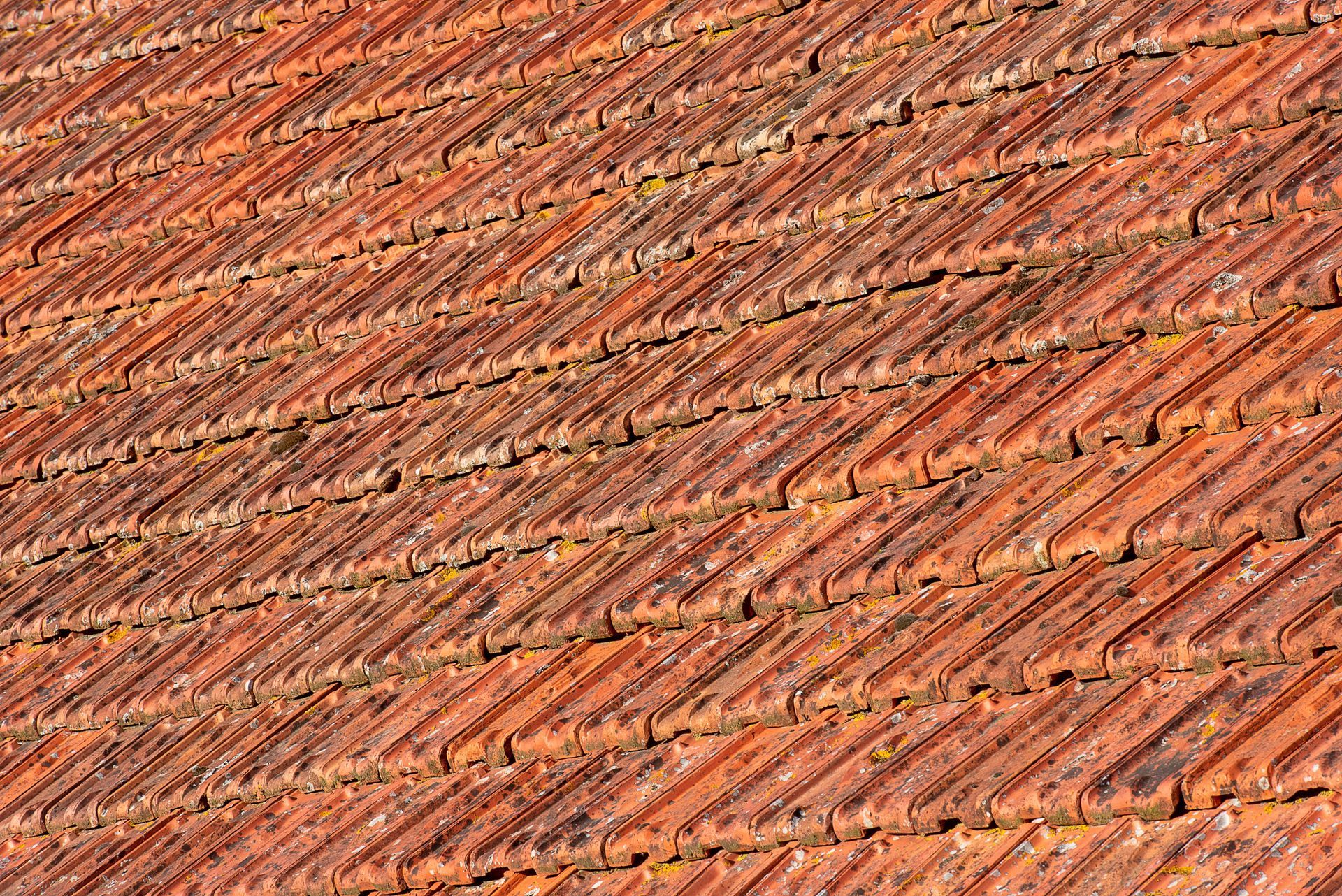
The belief is not baseless, which is why it sticks. Older roofs genuinely do tend to carry more moss, and there is a real reason for it. Concrete tiles are made with a surface coating that resists water when new. Over years of weathering, that coating erodes, the tile becomes more porous, and it starts to hold water for longer. A porous, water-holding tile is a better home for moss than a smooth, water-shedding one, so as a roof ages it becomes more hospitable to growth.
Because people see heavy moss most often on visibly old roofs, they draw the reasonable but incomplete conclusion that age is the cause. In reality age is one contributing factor among several, and not even the most important one.
What Actually Drives Moss Growth
Moss needs three things, and none of them is a number of years. It needs moisture, shade, and a surface to grip. Where those three come together, moss grows, whether the tiles were laid thirty years ago or last spring.
Shade is the biggest factor. A north-facing slope, or one shadowed by trees and neighbouring buildings, stays cool and damp because it gets little drying sun. That sustained dampness suits moss perfectly, and it applies just as much to a new roof as an old one.
Dampness and climate. A wet regional climate keeps roofs moist for long stretches. In the damp South East, frequent rain and humid coastal air mean many roofs stay wet for days at a time, giving spores the moisture they need on roofs of any age.
Debris and overhanging trees.
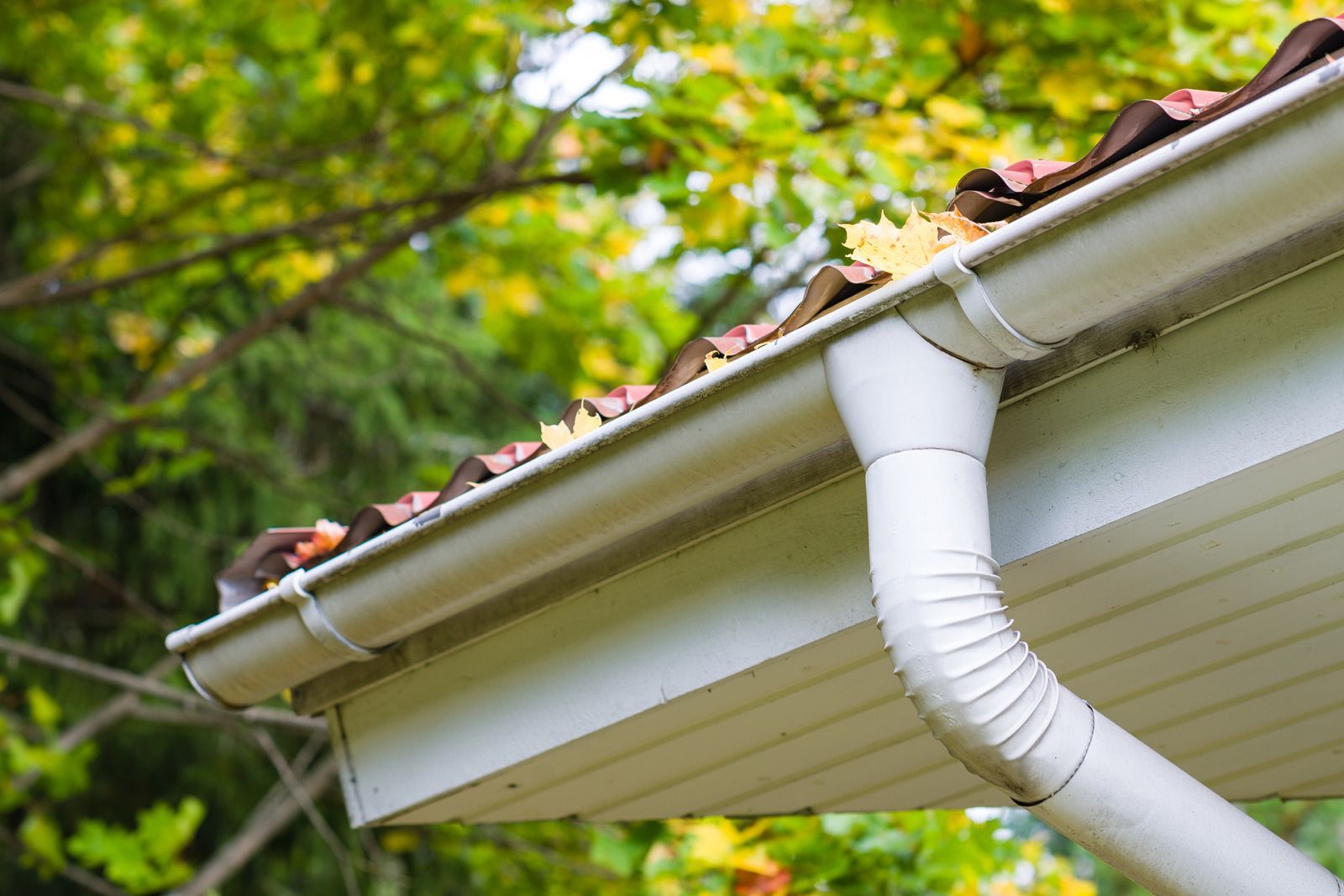
Leaves and organic matter collecting on the roof and along the roofline hold moisture and feed early growth. A brand-new roof under a large tree can accumulate this debris and green up quickly. Keeping the roofline clear with regular
Gutter Cleaning removes much of what feeds moss at the edges.
Tip: Judge your roof's moss risk by its exposure, not its age. Look at how much sun each slope gets, whether trees overhang it, and how quickly it dries after rain. A shaded, tree-covered slope is at risk on day one, while a sunny, open slope stays clearer for years regardless of the tiles' age.
Why New Roofs Are Not Immune
New tiles resist moss better than worn ones, but resistance is not immunity. A newer roof in a shaded, damp position accumulates the moisture and debris moss needs, and once spores establish in that dampness they will grow on a new surface just as they would on an old one, only a little more slowly at first.
There is also a hidden risk in assuming a new roof is safe. Because the owner is not watching for moss, early growth goes unnoticed and unchecked. By the time it is obvious, the moss has had a head start, and what could have been a light, easy clean has become an established covering. The myth does its damage precisely by encouraging people to ignore a young roof until the problem is advanced.
The Compounding Effect of Age and Neglect
Age and moss do interact, but as a cycle rather than a simple cause. Moss on any roof keeps the tiles wet, and constant dampness speeds up the weathering of the tile surface. On a newer roof, unchecked moss can then accelerate the very ageing that makes a roof more moss-prone, bringing forward the day when the tiles turn porous and hold even more water.
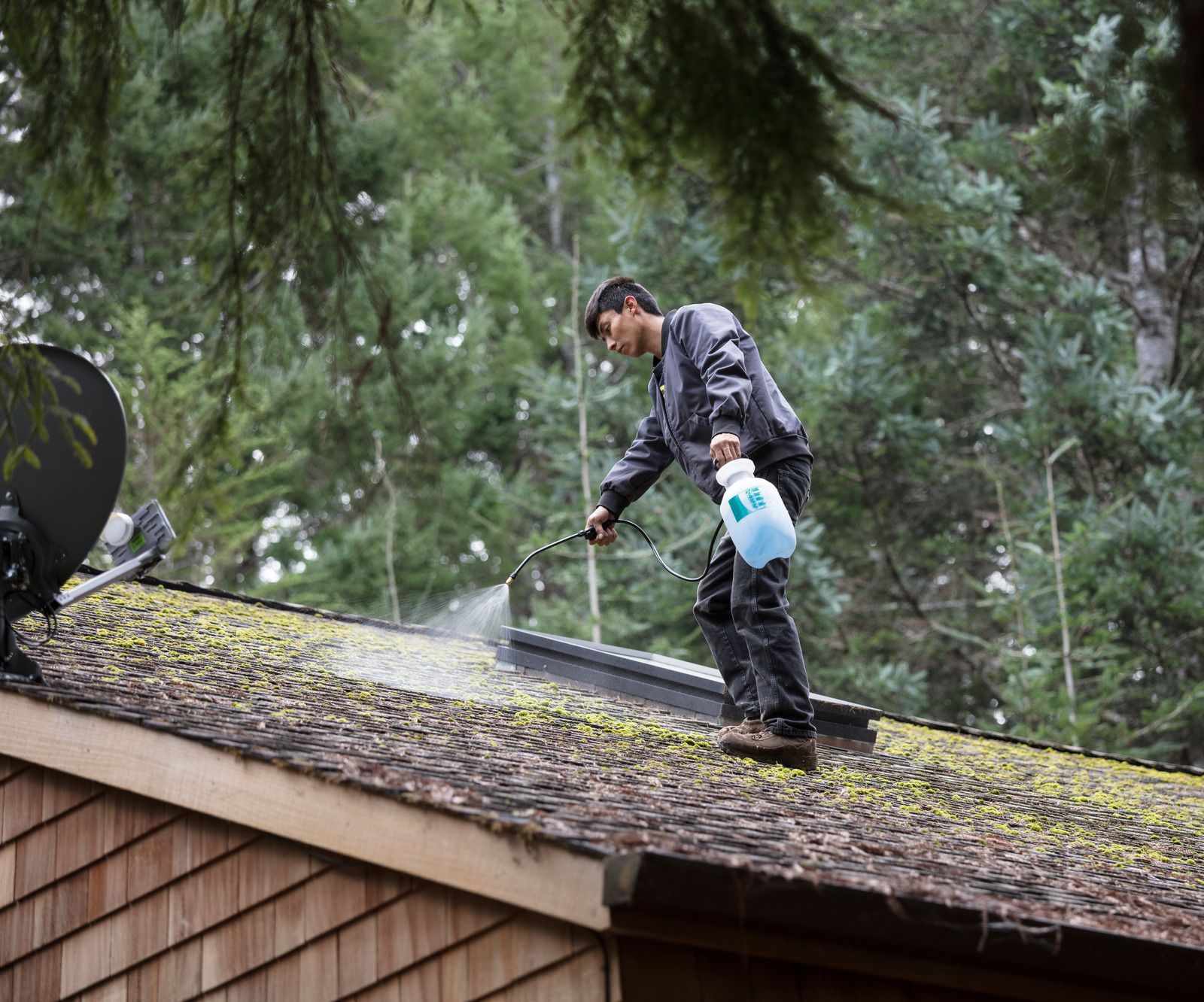
In other words, letting moss grow on a young roof because you think age protects it can help age that roof faster. The roofs that stay in good condition longest are the ones kept clean throughout their life, not the ones left until they look old enough to justify attention. A gentle Roof Cleaning with biocide protection early in a roof's life keeps the surface sound for longer.
Protecting a Roof at Any Age
The practical takeaway is that moss control is not something to postpone until a roof is old. Whatever the age of your tiles, the same measures keep growth down: keep gutters and the roofline clear of debris, cut back overhanging branches to let in light and air, watch the shaded slopes for early growth, and clean and treat the roof before the moss becomes established.
For a newer roof, this is about protection and habit. For an older, more porous roof, it is about damage limitation and keeping the tiles as dry as possible through their later years. In our 15 years on Sussex roofs, both kinds of owner benefit from the same no-contact approach, cleaning that lifts moss without pressure washing, followed by a non-toxic biocide that slows its return.
No, roof moss does not only affect old roofs. Age makes a roof more prone to moss because weathered tiles are more porous, but the real drivers are shade, dampness, and debris. A newer roof under trees or on a shaded north slope can grow moss faster than an older roof in an open, sunny spot. Any roof can develop moss when the conditions suit it, so age alone is a poor guide to risk.
Frequently Asked Questions
How soon can a new roof start growing moss?
It depends entirely on exposure. A new roof on a shaded, tree-covered, north-facing slope in a damp area can show early green growth within a couple of years, sometimes sooner where debris collects. A new roof in an open, sunny position may stay clear for many years. The tiles' newness slows growth a little but does not prevent it where conditions are damp and shaded.
Does a new roof come with any moss protection built in?
The surface coating on new concrete tiles helps them shed water and resist growth better than weathered tiles, which is a form of natural protection. It is not a moss-proof treatment, though, and it erodes over time. Some owners choose to have a biocide applied to keep a newer roof clearer for longer, particularly on shaded slopes where growth is likely.
If my roof is old, is it too late to bother cleaning it?
Not at all. Cleaning an older, mossy roof stops the ongoing water-holding and freeze-thaw damage that shortens its remaining life, and a biocide slows regrowth. While cleaning will not reverse existing weathering, it protects the tiles you have and can add years of service. An inspection during cleaning will also flag any tiles that genuinely need replacing.
Will cleaning moss off a new roof damage the tiles?
Not when done correctly. The risk to any roof, new or old, comes from aggressive pressure washing or walking the tiles, not from cleaning itself. A gentle no-contact approach lifts the growth without abrading the surface, and a patch test beforehand confirms the method suits your particular tiles. New tiles are cleaned exactly as carefully as older ones.
My neighbour's older roof has less moss than my newer one. Why?
Almost certainly because of exposure. If your roof is more shaded, sits under trees, faces north, or collects more debris, it will grow more moss than a sunnier, more open older roof nearby. This is the clearest everyday proof that shade and dampness, not age, are what really decide how much moss a roof carries.
Protect your roof at any age — Book a free inspection and no-contact clean whether your roof is new or decades old. Ben's Roof Cleaning removes moss without pressure washing and offers optional biocide protection. Call 0124 520 4907.
The Real Story on Roof Age and Moss
It is true that older roofs tend to carry more moss, but it is a myth that only old roofs are affected. The tiles' age tilts the odds, yet shade, dampness, and debris are what actually decide whether moss grows, and those conditions do not wait for a roof to get old. A young roof in the wrong spot can green up quickly, and ignoring it in the belief that age offers protection only lets the growth get established and speeds the roof's ageing. Judge the risk by exposure, watch the shaded slopes, and treat moss early whatever the date on your roof, because moss certainly is not checking.