Why Colchester Gutters Block, and How to Keep Them Clear
Gutters are among the most overlooked parts of a home, yet a blocked one is behind a surprising share of the damp problems homeowners face. In Colchester, with its wealth of older and period properties, the stakes are a little higher: an overflowing gutter on a historic building can soak walls and rot timber that is costly and complicated to put right. Understanding why gutters block, what happens when they do, and how often to clear them is one of the simplest ways to protect a Colchester home. This detailed guide explains it all.
The quick answer: Colchester gutters block with leaves, moss shed from the roof, and general debris, and older properties with harder-to-reach gutters are especially at risk. A blocked gutter overflows, sending water down the walls to cause damp and rot the timber behind it. Clearing gutters at least twice a year, and dealing with the roof at the same time, keeps a home dry.
1. What a Gutter Does, and Why It Matters
A gutter's job is simple but essential: to catch the water running off the roof and carry it safely down and away from the walls and foundations. Every time it rains, a working gutter keeps the face of the house dry and directs a considerable volume of water to where it can drain harmlessly away.
When the system is clear, it is invisible and you never think about it. It is only when a gutter blocks that the consequences appear, and on an older Colchester building those consequences, damp walls, rotten timber, can be particularly unwelcome and expensive.
2. Why Gutters Block
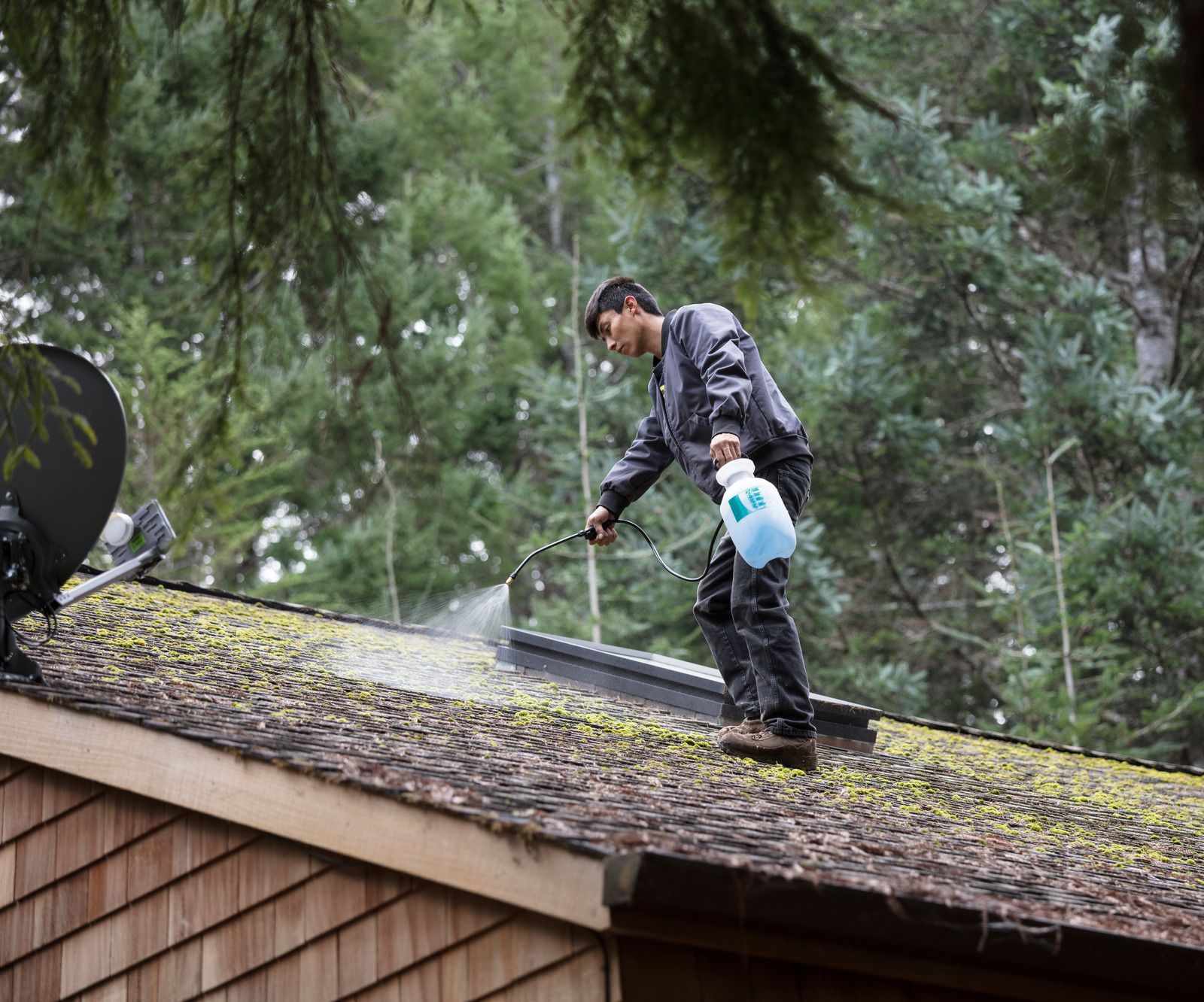
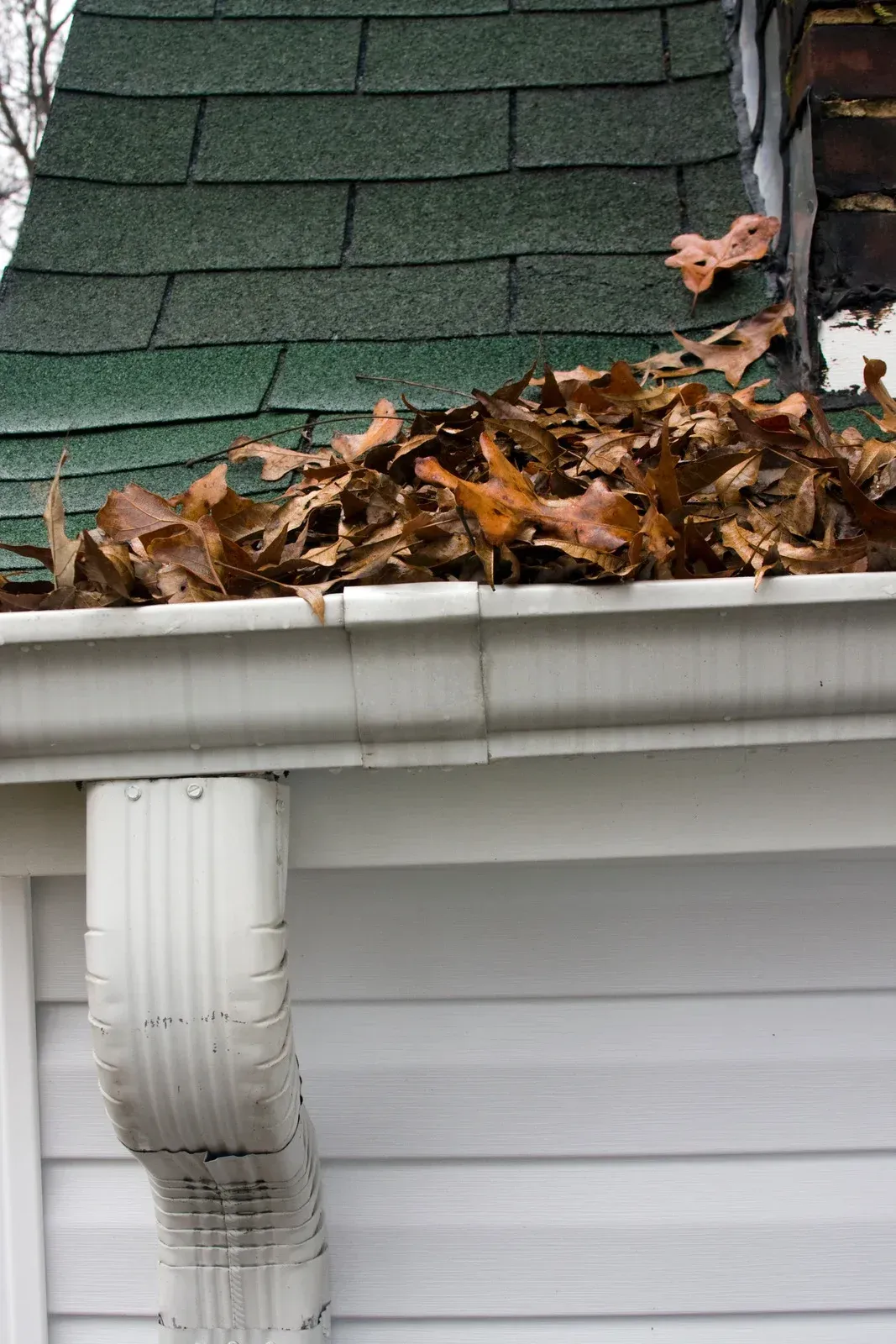
Gutters block for a few predictable reasons. Autumn leaves are the most obvious, falling from nearby trees and packing down into the channel. But there is another major source, especially in Colchester: moss shed from the roof. As moss on the tiles thickens and dries, clumps break away and slide down into the gutter, where they add to the leaves and debris.
Over time this material packs down, holds moisture, and rots into a dense sludge that water cannot get past. On older properties with textured, moss-prone roofs, that shed moss can be as significant a cause of blockage as the leaves themselves.
3. How a Blockage Turns Into Damage
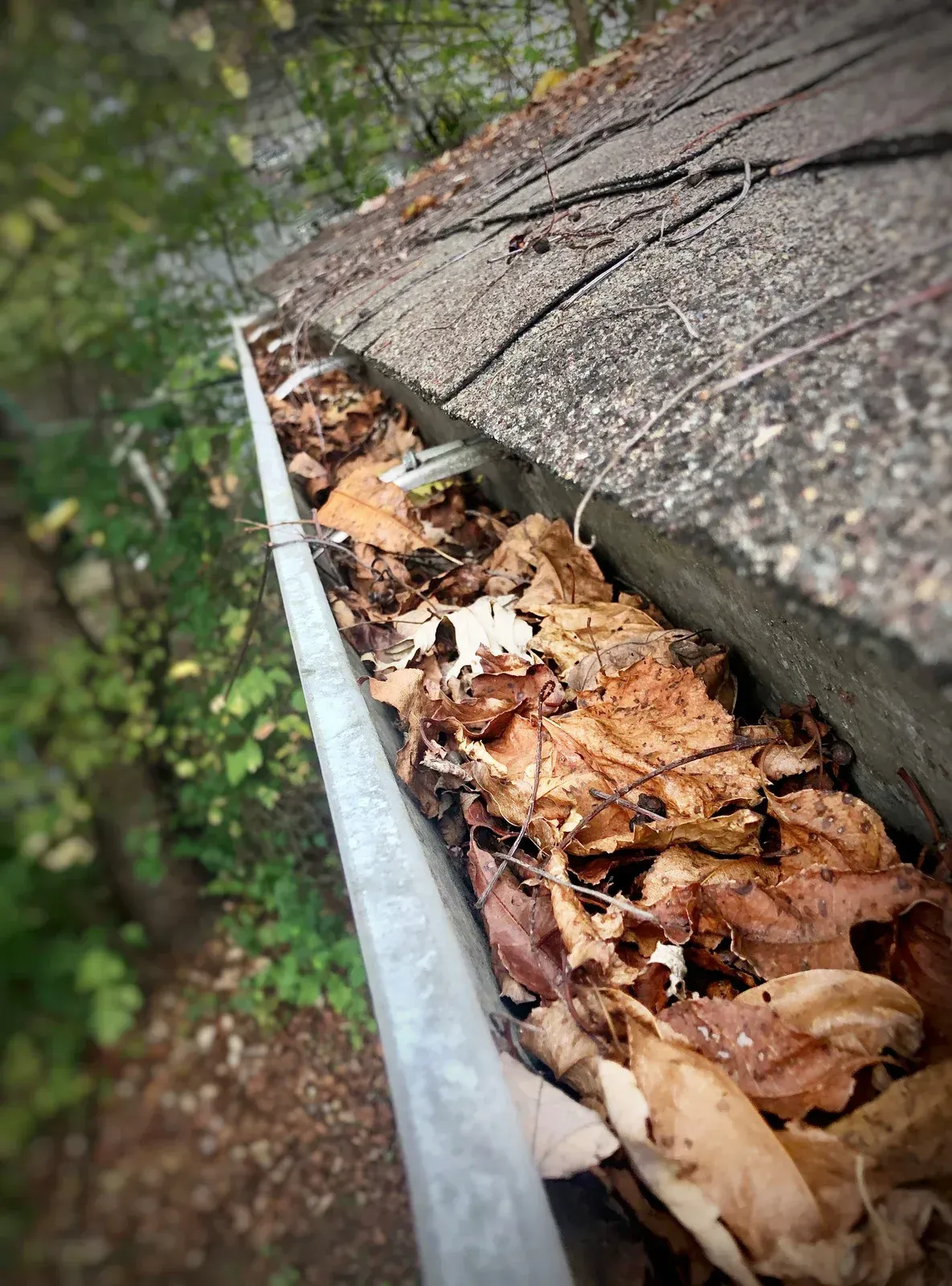
Once a gutter is packed with debris, it can no longer carry water away. In heavy rain it fills and overflows, and the water has to go somewhere. Instead of running down the pipe, it spills over the edge and pours down the wall below, or backs up towards the roofline.
A wall is not designed to take that constant soaking. Over weeks and months the water works into the brickwork and mortar and eventually penetrates through to the inside, appearing as damp, staining, or mould. Meanwhile the timber fascia behind the gutter sits wet and begins to rot. On an older Colchester home, where timber and lime mortar may be original, this kind of water damage is especially worth avoiding.
4. Why Older Properties Are More at Risk
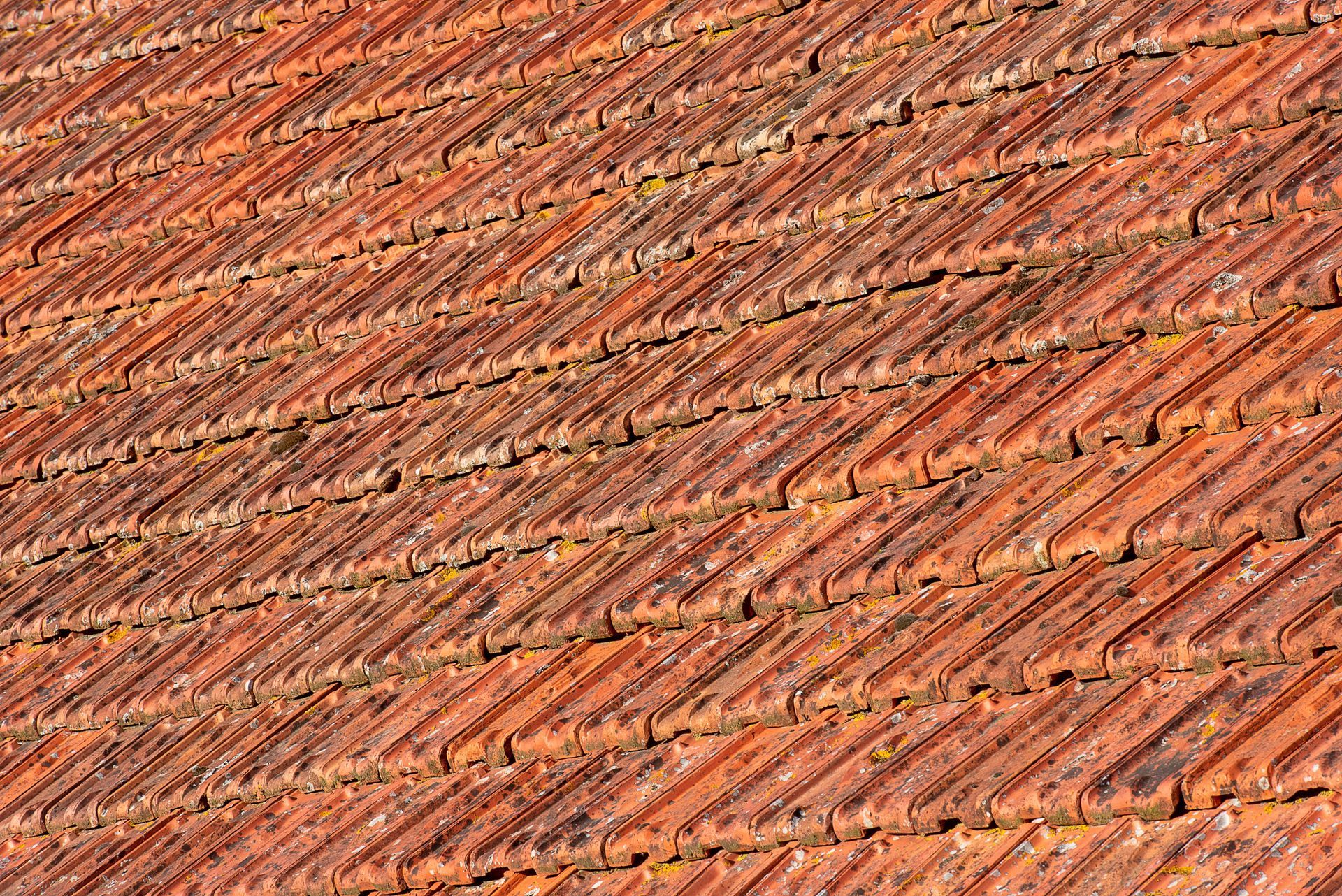
Colchester's many older and period homes face particular gutter challenges. Their gutters can be harder to reach and more awkward to work on, they often sit beneath mature trees in established streets, and their moss-prone roofs shed plenty of growth into the channel. All of this means gutters here can block faster and matter more than on a modern house.
The materials add to the stakes. Damp reaching original timber, lime mortar, or period brickwork can cause damage that is both costly and complicated to repair sensitively. Keeping the gutters clear is a simple way to protect a historic building from exactly that.
5. How Often to Clear Colchester Gutters
For most Colchester homes, gutters should be cleared at least twice a year, with a few signs worth watching for in between:
- A late-autumn clear , once the leaves are down, to get through winter without overflow.
- A spring clear to remove the moss and debris built up over winter.
- Water spilling over the edge in rain, a sure sign the gutter is already blocked.
- Plants or grass sprouting from the gutter line, meaning debris has turned to soil.
- Tree-close or moss-prone properties that may need clearing more than twice a year.
6. Dealing With the Roof at the Same Time
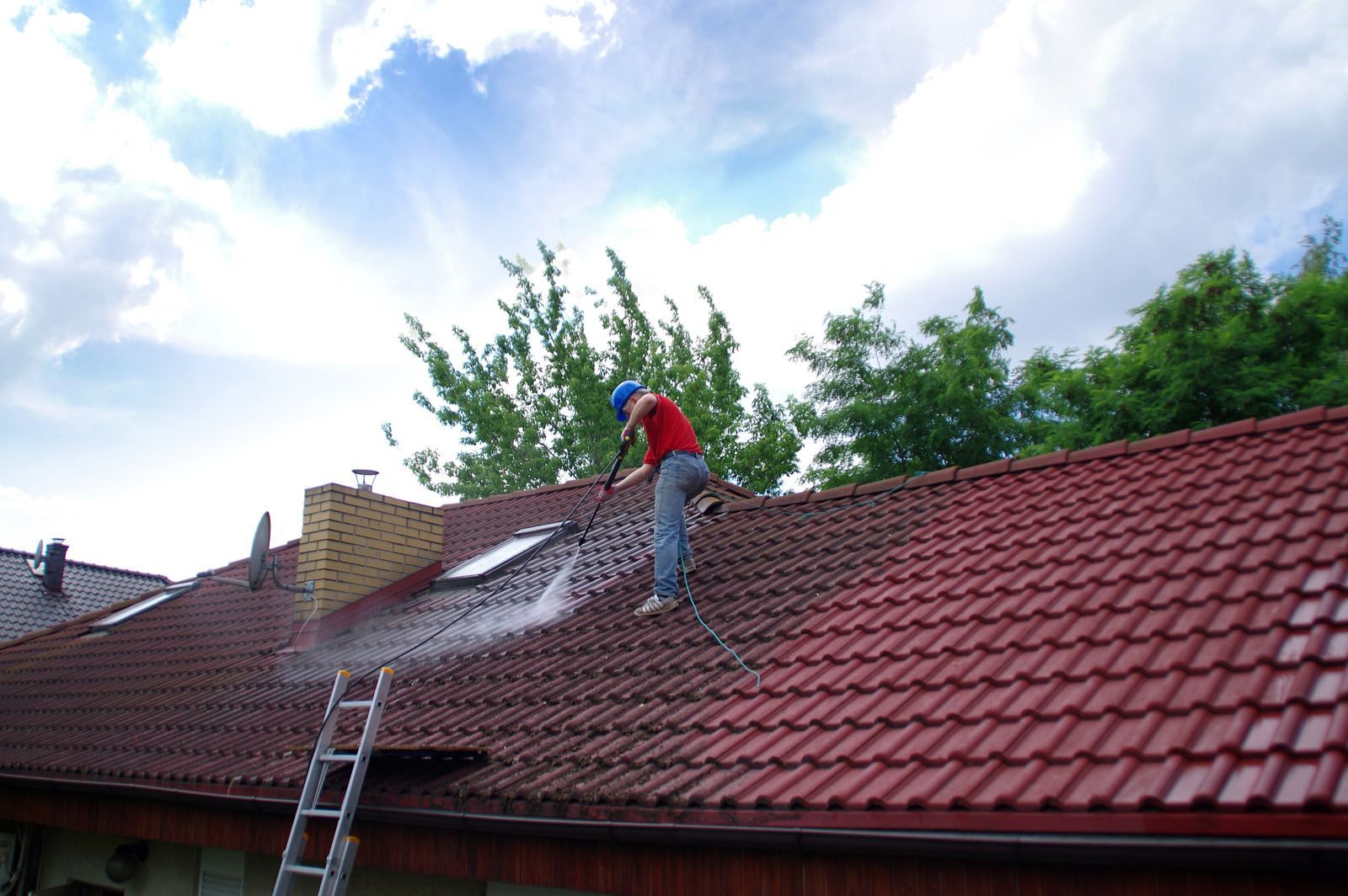
Because moss shed from the roof is such a common source of blockage in Colchester, clearing the gutters alone is often only half a solution. A gutter cleared beneath a moss-covered roof simply fills again from above, so dealing with both together keeps the whole system clear for far longer.
This is why roof cleaning and gutter clearing work so well as a pair. Removing the moss that feeds the gutters, at the same time as clearing them, tackles the cause rather than just the symptom, and keeps a Colchester home dry through the wettest weather.
7. Keeping a Colchester Home Dry
The most reliable way to avoid gutter overflow and the damp it brings is a regular schedule: clear the gutters before winter, again in spring, and more often if the property is tree-close or its roof sheds heavy moss. Dealing with the roof at the same time keeps the system clear for longer.
Handled this way, a Colchester home, however old, stays dry through the heaviest rain, its walls and timber stay sound, and its gutters quietly do their job when it matters most. For a historic building especially, that simple routine is well worth keeping.
Frequently Asked Questions
How often should I clear my gutters in Colchester?
At least twice a year for most homes, once in late autumn after leaf-fall and once in spring. Tree-close or moss-prone properties, common among Colchester's older homes, may need clearing more often.
Why do my Colchester gutters block so quickly?
Leaves from nearby trees and moss shed from the roof both fill gutters, and on older, moss-prone roofs the shed moss can be a major cause. Together they build a blockage faster than homeowners expect.
Can blocked gutters cause damp in an older home?
Yes, and it matters more on period buildings. Overflowing water soaks into brickwork and rots timber fascia, and damage to original timber, lime mortar, or period brick can be costly and complicated to repair.
Should I clear the roof and gutters together?
Often, yes. Moss shed from the roof is a major source of gutter blockages in Colchester, so cleaning both together keeps the whole system clear for longer than clearing the gutters alone.
Is clearing gutters on an older home more difficult?
It can be. Older properties often have harder-to-reach gutters and awkward access, which is one reason it is safer and easier to have a professional clear them rather than attempting it yourself.
Gutters blocking on your Colchester home?
Ben's Roof Cleaning clears blocked gutters and cleans roofs across Colchester and Essex, tackling the leaves and moss that cause overflow, with over 15 years of experience. Get in touch or call 0124 520 4907
for a free, no-obligation quote.
Keep the Water Flowing, Keep the Home Dry
A blocked gutter is a small problem that leads to large ones: damp walls, rotten timber, and, on Colchester's many older and period homes, damage to original materials that is costly to put right. Gutters block with leaves and with moss shed from the roof, and older properties are especially at risk. Clearing them on a regular schedule, and dealing with the moss-shedding roof at the same time, keeps water flowing where it should and a Colchester home dry through every wet winter. It is one of the simplest and most worthwhile pieces of maintenance a homeowner can arrange.