Roof Cleaning in Colchester's Conservation Areas
Colchester's historic heart is protected for good reason. The Dutch Quarter, with its medieval weavers' houses beside the Norman castle, and other conservation areas across the city are full of listed buildings, many standing over Roman foundations. If you own a home in one of these areas, keeping its roof clean comes with an extra layer of consideration: the need to protect not just your own tiles but the heritage character of the whole street. This detailed guide explains how roof cleaning works in Colchester's conservation areas, why it needs a careful hand, and how to keep a heritage roof clear of moss safely and sensitively.
The quick answer: Homes in Colchester's conservation areas and listed buildings need especially careful roof cleaning. The original materials are fragile and hard to match, and the heritage setting means any work should be sensitive and low-impact. Gentle soft washing preserves both the tiles and the character of the area, and for listed buildings it is wise to check what permissions may apply to any repair work.
1. What a Conservation Area Means for Your Roof
A conservation area is designated to protect the special architectural and historic character of a place, and Colchester, as Britain's oldest recorded town, has several. Within them, the appearance of buildings, including their roofs, is part of what is being preserved. That does not stop you keeping your roof clean; in fact a well-kept roof supports the character of the area. But it does mean the work should be done sensitively.
For a homeowner, the practical point is that the roof is part of a bigger picture. A green, neglected roof detracts from a historic street, while a carelessly cleaned or damaged one can be worse still. Gentle, appropriate cleaning keeps a heritage roof looking its best without harming the character everyone values.
2. Fragile Materials in a Historic Setting
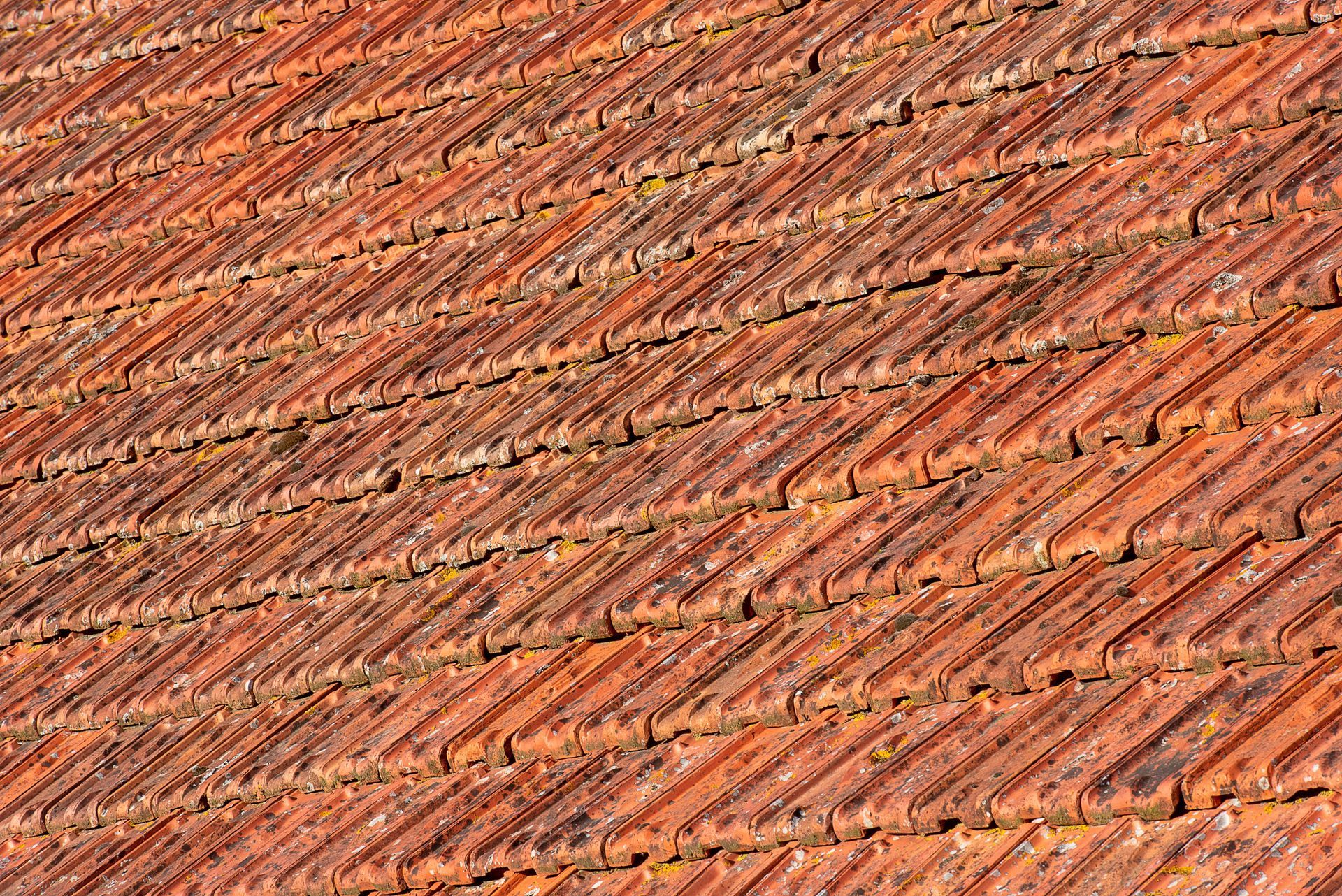
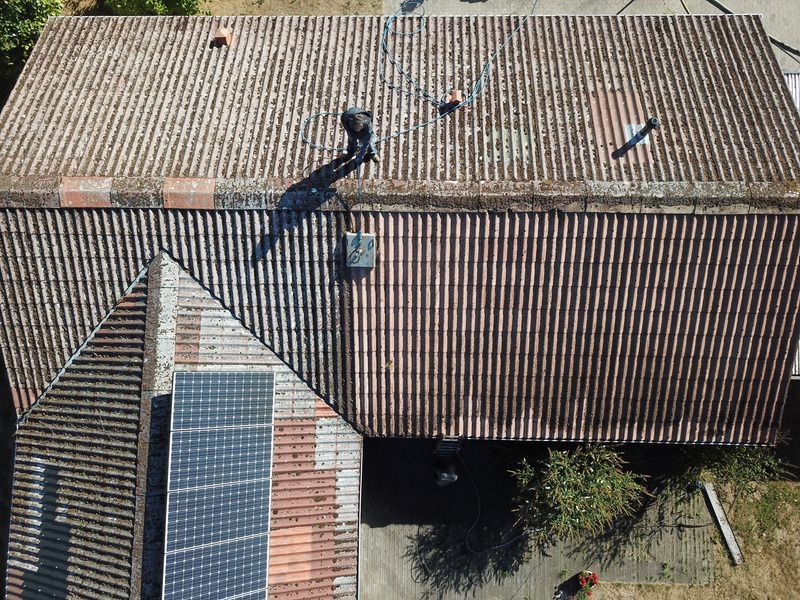
The roofs in Colchester's conservation areas are typically original slate, handmade clay, or peg tiles, materials that have aged over decades or centuries and grown brittle and porous. Their mortar and timber may be original too. These are exactly the roofs where an aggressive clean does the most harm, cracking tiles that are difficult, expensive, and sometimes impossible to match.
In a heritage setting, that risk carries extra weight. A damaged historic roof is not only a repair bill but a loss to the character of a protected area. This is why gentle, low-pressure methods are not just preferable here but essential.
3. The Sensitive, Low-Impact Approach
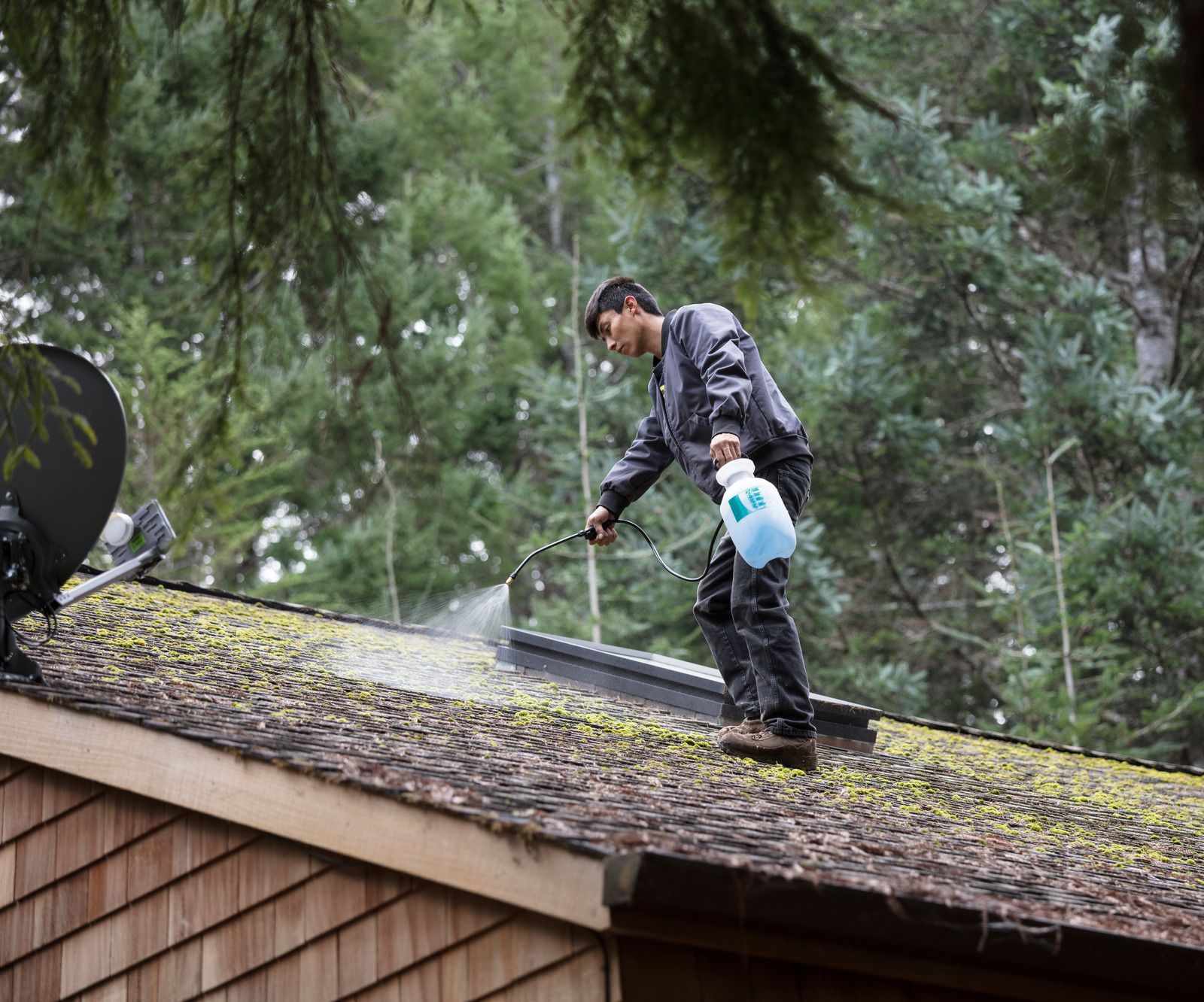
Soft washing is the right method for a conservation-area roof. Its low pressure and cleaning solutions lift moss, algae, and lichen without the force that damages fragile tiles, and it can be carried out with minimal disruption to the building and its neighbours. It removes growth thoroughly while leaving the original fabric of the roof untouched.
Careful access matters too. Working on a historic roof means treading thoughtfully, protecting surrounding features, and taking the time the materials demand rather than rushing. A cleaner experienced with heritage buildings will bring that sensitivity as a matter of course.
4. Cleaning Versus Repair on Listed Buildings
Cleaning a roof, removing moss and algae, is maintenance and generally straightforward. Repair or alteration to a listed building, however, such as replacing tiles or reworking mortar, can require listed building consent, and it is always wise to check with the local authority before any such work. This is one more reason to keep a heritage roof clean and well maintained: prevention avoids the repairs that come with added complexity.
A good roof cleaner working on a listed building will focus on gentle cleaning and will flag, rather than undertake, any structural repair that might need permissions. That honest, careful line protects both the building and the owner.
5. Keeping Heritage Roofs Clear Over Time
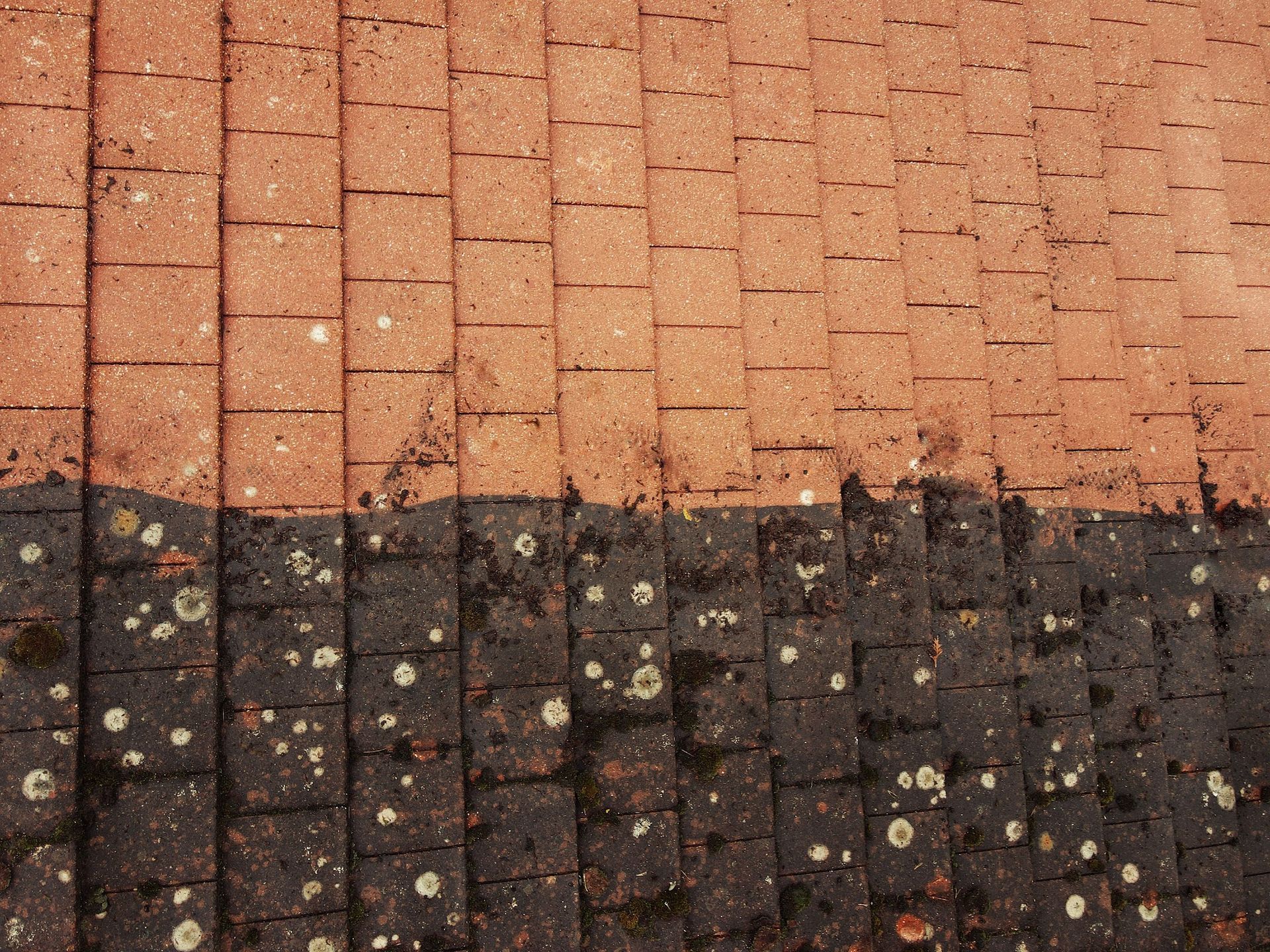
For homes in conservation areas, regular gentle cleaning is the ideal approach. It keeps moss and lichen from building to the point where heavy, risky intervention is needed, and it keeps the roof, and the street, looking cared for. A few things are worth keeping an eye on:
- Moss on shaded slopes , which establishes first on older, textured tiles.
- Lichen gripping the tile surface , common on historic slate and clay.
- Slipped tiles or failing mortar , which may need consent to repair on listed buildings.
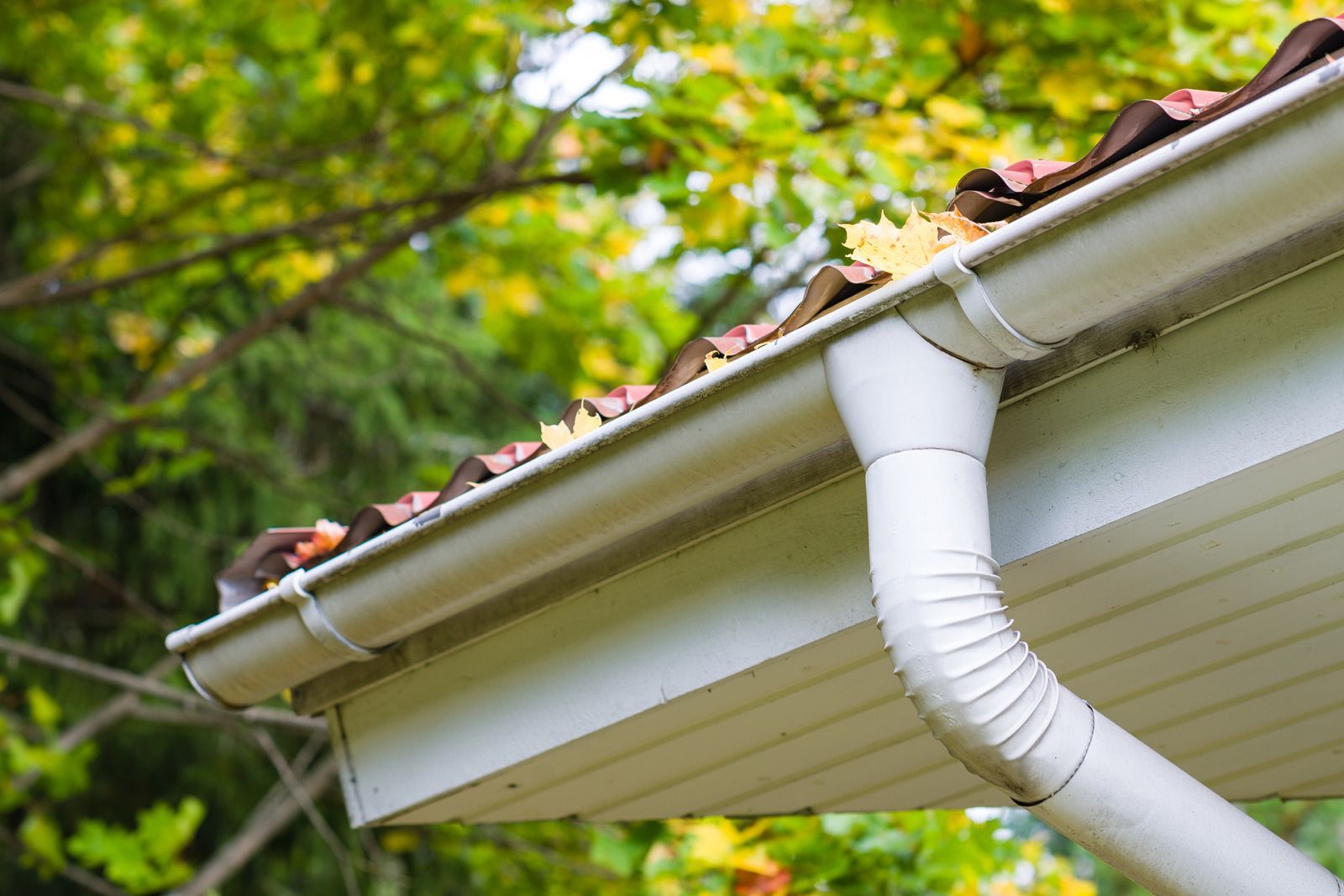
- Gutters blocking with shed moss, a maintenance rather than a consent matter.
- Any change in appearance that affects the heritage character of the street.
6. Protecting Colchester's Historic Character
Roof cleaning in a conservation area is about more than one house. Kept clean and sound, each heritage roof contributes to the character that makes Colchester's historic streets so valued, and that character is part of what makes these homes special to own. Gentle, sensitive cleaning is how a homeowner plays their part in preserving it.
Handled with care, a conservation-area roof stays clear of moss, keeps its original tiles intact, and continues to grace one of the oldest and most historic townscapes in the country. That is a responsibility worth taking seriously, and an easy one to meet with the right, gentle approach.
Frequently Asked Questions
Can I clean the roof of a listed building?
Yes. Cleaning to remove moss and algae is maintenance and generally straightforward. It is repair or alteration, such as replacing tiles, that may need listed building consent, so it is wise to check with the local authority before any such work.
Why does roof cleaning in a conservation area need extra care?
The original tiles are fragile and hard to match, and the heritage character of the area is protected. Gentle, low-impact soft washing preserves both the tiles and the appearance of the street.
Is soft washing suitable for heritage roofs?
Yes. Its low pressure and cleaning solutions remove moss, algae, and lichen without the force that damages fragile period tiles, making it the appropriate method for conservation-area and listed buildings.
Does a clean roof help a home in a conservation area?
It can. A well-kept roof supports the historic character and appeal of the area and the value of the home, while a neglected or damaged roof detracts from both.
Do I need permission to remove moss from my roof?
Cleaning to remove moss is generally maintenance and does not require consent, but any repair or alteration to a listed building might, so it is sensible to check before undertaking structural work.
Home in a Colchester conservation area?
Ben's Roof Cleaning cleans heritage and listed-building roofs gently and sensitively across Colchester and Essex, with over 15 years of experience. Get in touch or call 0124 520 4907
for a free, no-obligation quote.
Care That Respects the Heritage
Cleaning a roof in one of Colchester's conservation areas is about protecting more than your own tiles; it is about preserving the character of a historic street in Britain's oldest recorded town. The fragile original materials and the heritage setting call for gentle, low-impact soft washing and a careful, respectful hand, with any repair work checked for the permissions a listed building may require. Approached this way, a heritage roof stays clear of moss, keeps its original fabric, and continues to grace one of the country's most remarkable townscapes.